

Turkey breast with broccoli
WHAT YOU WILL NEED
From ingredients
5 products


SIMPLE PROCESS
Step by step recipe
The key to tender turkey is cutting the fillet into thin, even slices and gently pounding them to an even thickness. This helps the meat cook evenly without drying out. Cook the broccoli only until tender, then drain it thoroughly before blending so the purée remains thick rather than watery. Spread the sauce in thin layers and reserve some for coating the top layer of turkey. Baking at 200°C allows the sauce to keep the meat moist while the top develops a lightly golden finish. Let the finished dish rest for a few minutes before serving.
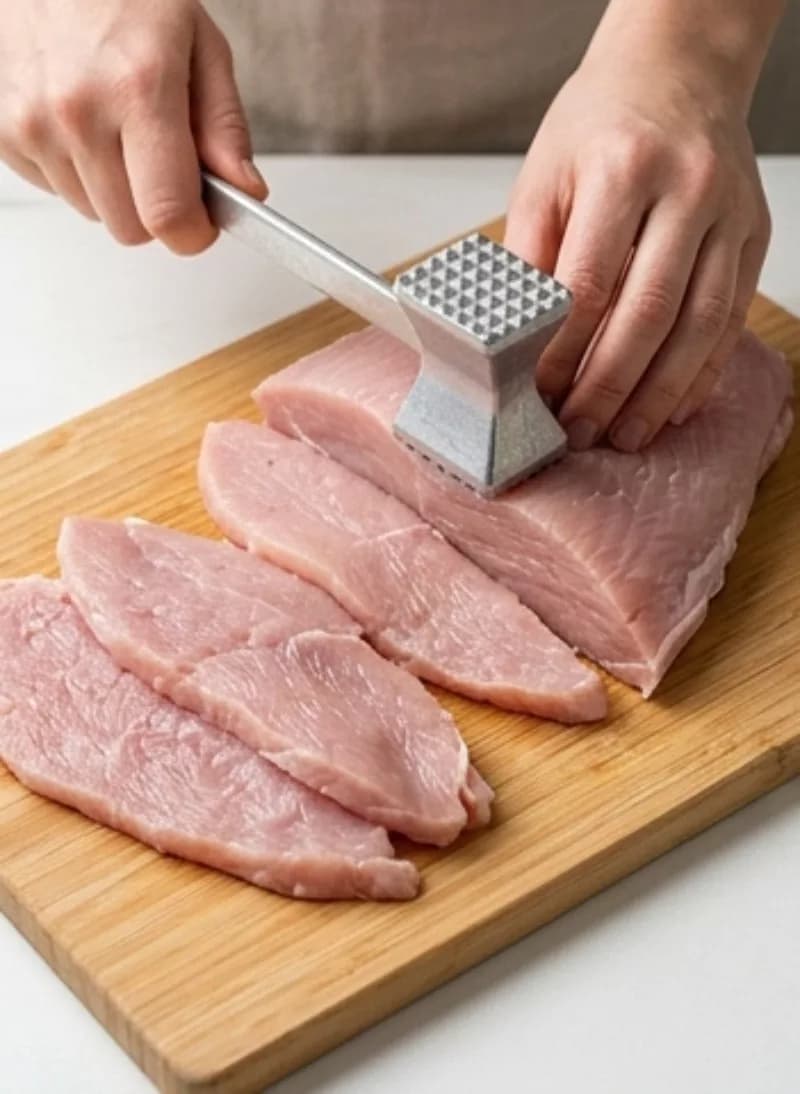
Prepare the turkey
Rinse the turkey fillet and pat it thoroughly dry. Slice it lengthwise into thin pieces similar to small steaks. Gently pound each piece until it is nearly evenly thin, taking care not to tear the meat.
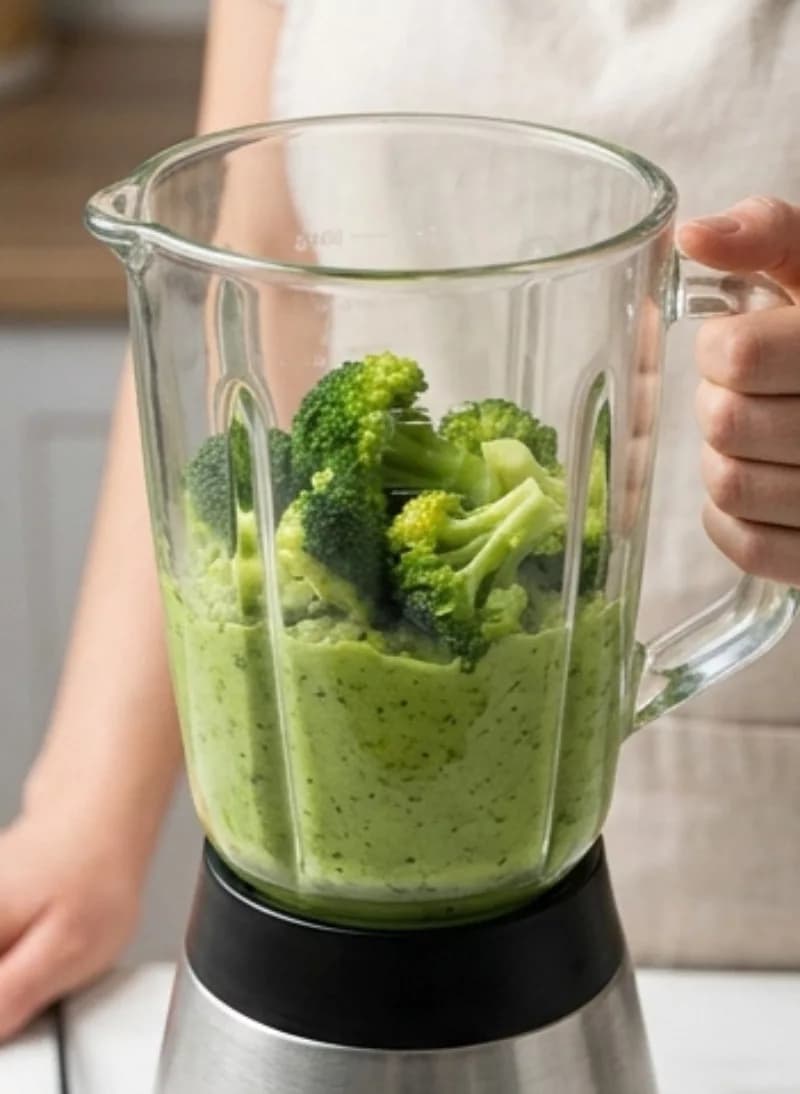
Make the broccoli purée
Separate the broccoli into florets and cook until tender. Drain thoroughly, then transfer the broccoli to a blender and process into a smooth or slightly textured purée. Make sure there is no excess water.
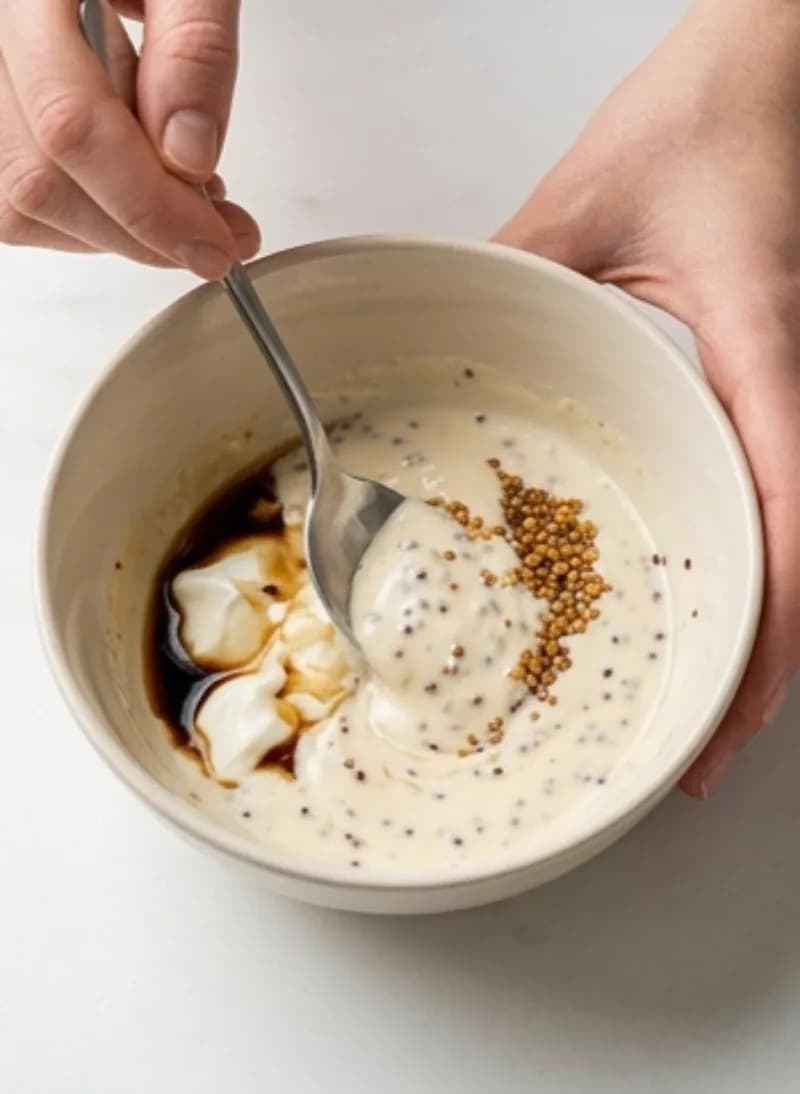
Mix the sauce
Combine 30 g of sour cream, 10 g of soy sauce, and 2 g of mustard seeds in a small bowl. Stir until evenly combined. Reserve a small portion separately for coating the top layer of turkey.
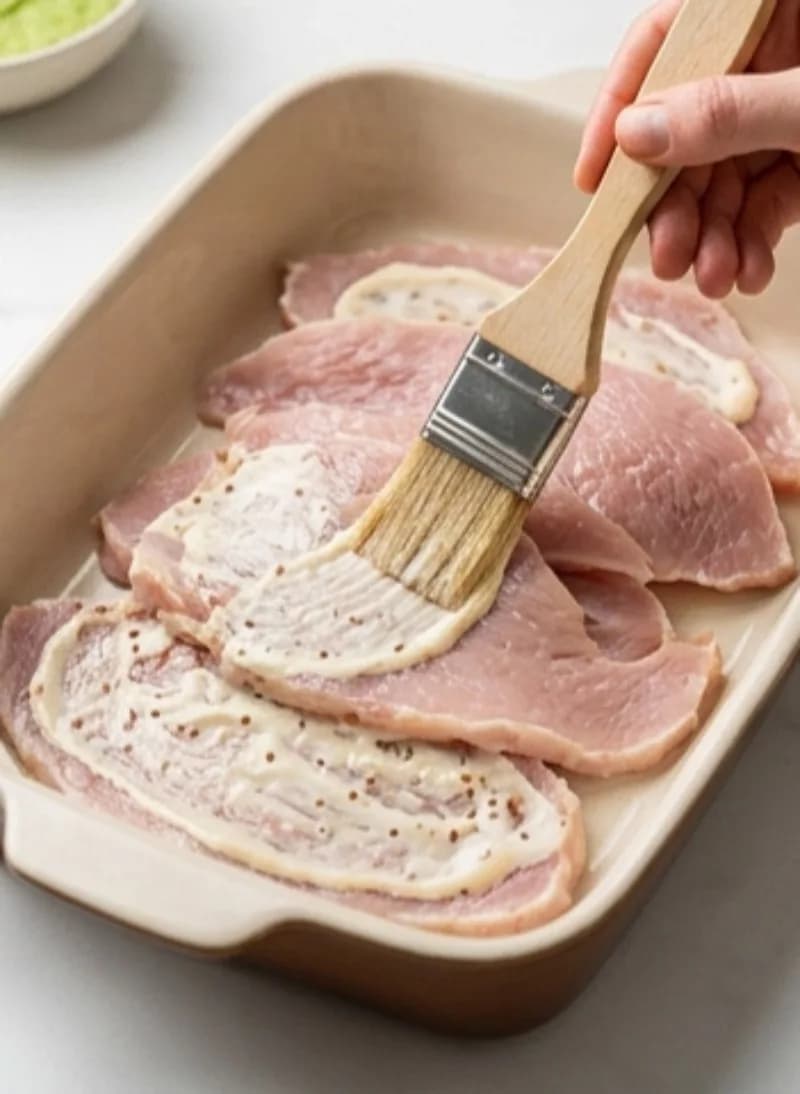
Build the first layer
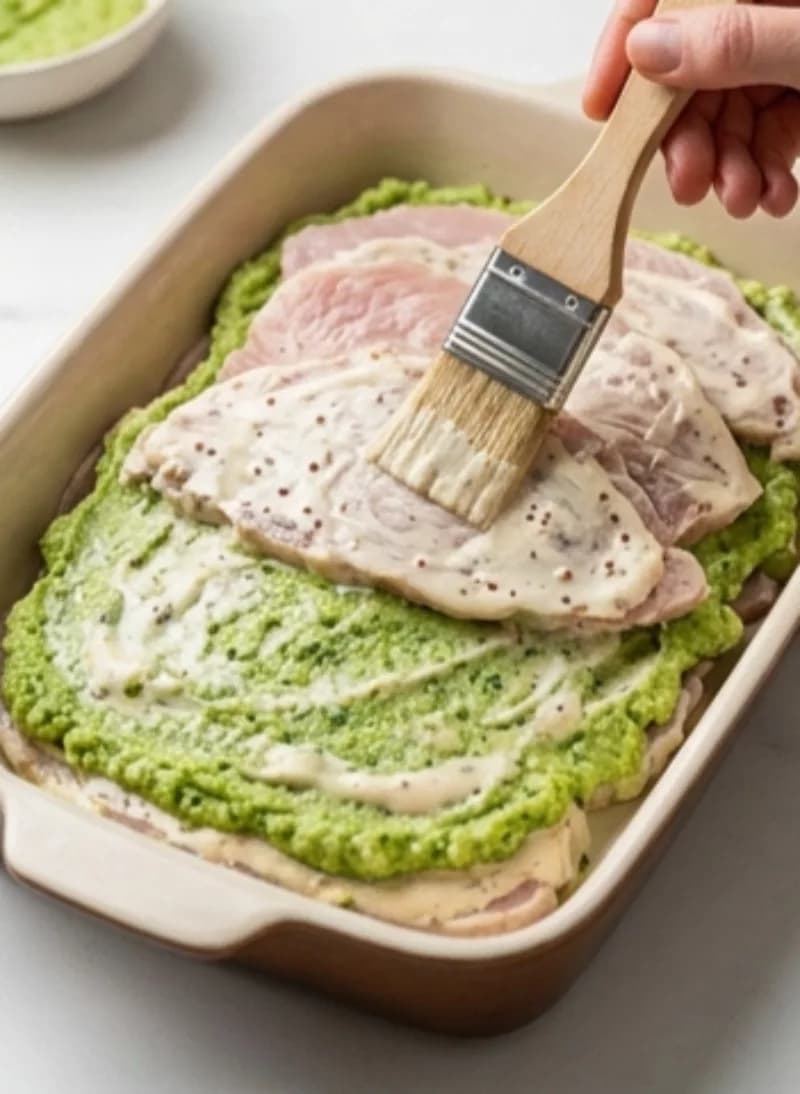
Preheat the oven to 200°C. Place half of the thin turkey slices in a baking dish. Spread them with a thin layer of the sour cream, soy, and mustard sauce.
Add the broccoli and remaining turkey
Mix the remaining sauce into the broccoli purée and spread the mixture evenly over the first turkey layer. Cover with the remaining turkey slices after coating them with the reserved sauce. Finish the top with another thin layer of the sauce.
Bake until tender
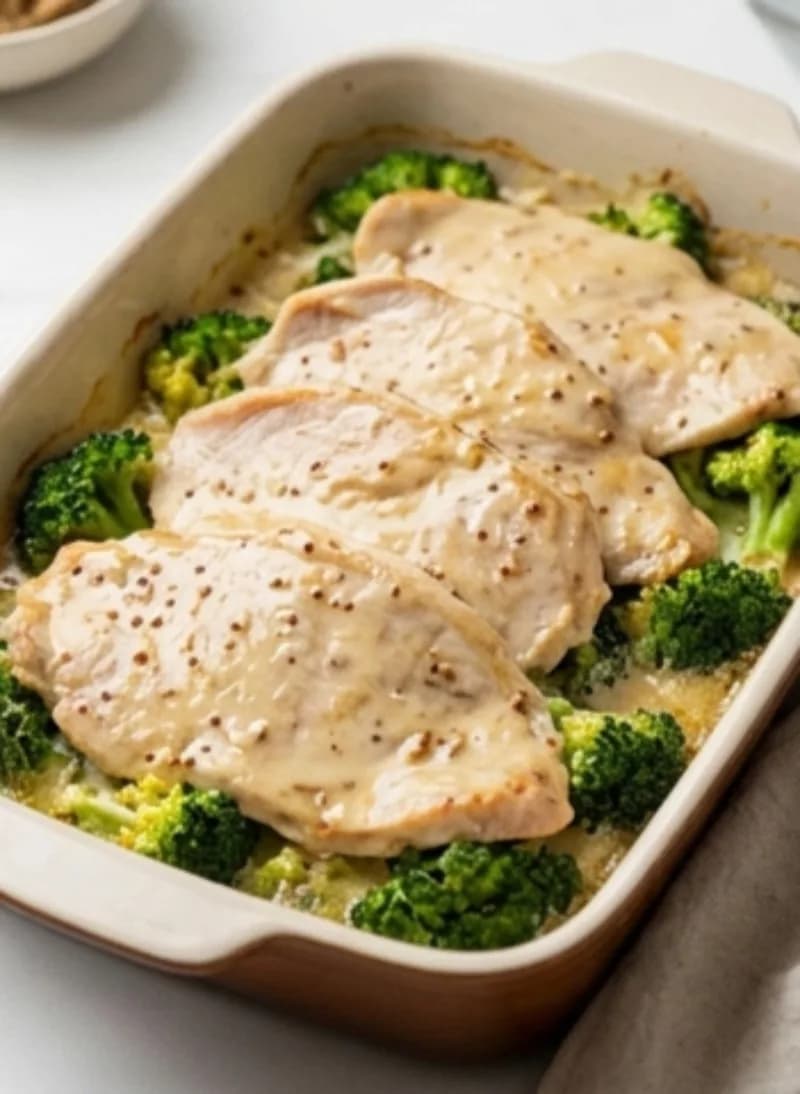
Cover the baking dish with a lid or tightly with foil. Bake at 200°C for about 20–30 minutes, until the turkey is fully cooked. Remove the lid or foil and return the dish to the oven for a few more minutes to lightly brown the top. Let it rest for 3–5 minutes before serving.
CHEF'S TIP
Pound the turkey evenly
Slice the fillet lengthwise and gently pound the pieces between parchment paper or plastic wrap. Aim for an even thickness so the thinner edges do not dry out before the center is cooked.
Don't overcook the broccoli
Cook the broccoli just until tender. Overcooking allows it to absorb too much water, which can make the purée thin and watery.
Keep the layers thin
Avoid spreading a thick layer of sauce over the turkey. A thin, even coating distributes the flavor better and helps the meat cook without becoming overly wet.
Save sauce for the top
Reserve some of the sour cream and soy mixture for the final turkey layer. The extra coating helps keep the meat moist and gives the top a more appetizing finish.
SUBSTITUTIONS
Add your taste
- Chicken breast Turkey breast can be replaced with chicken breast. Slice it thinly in the same way and keep an eye on the cooking time because chicken breast can dry out quickly.
- Cauliflower Replace the broccoli with cauliflower or use a mixture of both. Cook until tender and blend into a smooth or slightly textured purée.
- Plain Greek yogurt Sour cream can be replaced with thick plain Greek yogurt. The sauce will be slightly lighter and have a fresher tangy flavor.
- Prepared mustard If mustard seeds are unavailable, use a small amount of mild prepared mustard instead. Add it gradually to keep the sauce balanced and not overly sharp.
HOW TO STORE
How to Store Turkey Breast with Broccoli
Let the cooked dish cool slightly, but do not leave it at room temperature for more than 1–2 hours. Transfer the turkey and broccoli to an airtight container and refrigerate at around 4°C for up to 3 days. Reheat portions gently in a covered oven dish or in the microwave using short intervals to help prevent the turkey from drying out. The dish can be frozen, although the broccoli may become softer and slightly wetter after thawing. Thaw in the refrigerator and reheat thoroughly before serving.
GOOD TO KNOW