

Chicken asp
WHAT YOU WILL NEED
From ingredients
4 products


SIMPLE PROCESS
Step by step recipe
The secret to perfect aspic lies in a flavorful broth and properly handled gelatin. Simmer the chicken for at least 1.5–2 hours over low heat to extract maximum flavor. Soak gelatin in warm water for exactly 30 minutes, then heat gently until fully dissolved — do not boil. Layer the meat, pour the broth-gelatin mixture, and decorate with egg and herbs. Allow it to set completely in the fridge — at least 4–6 hours, preferably overnight.
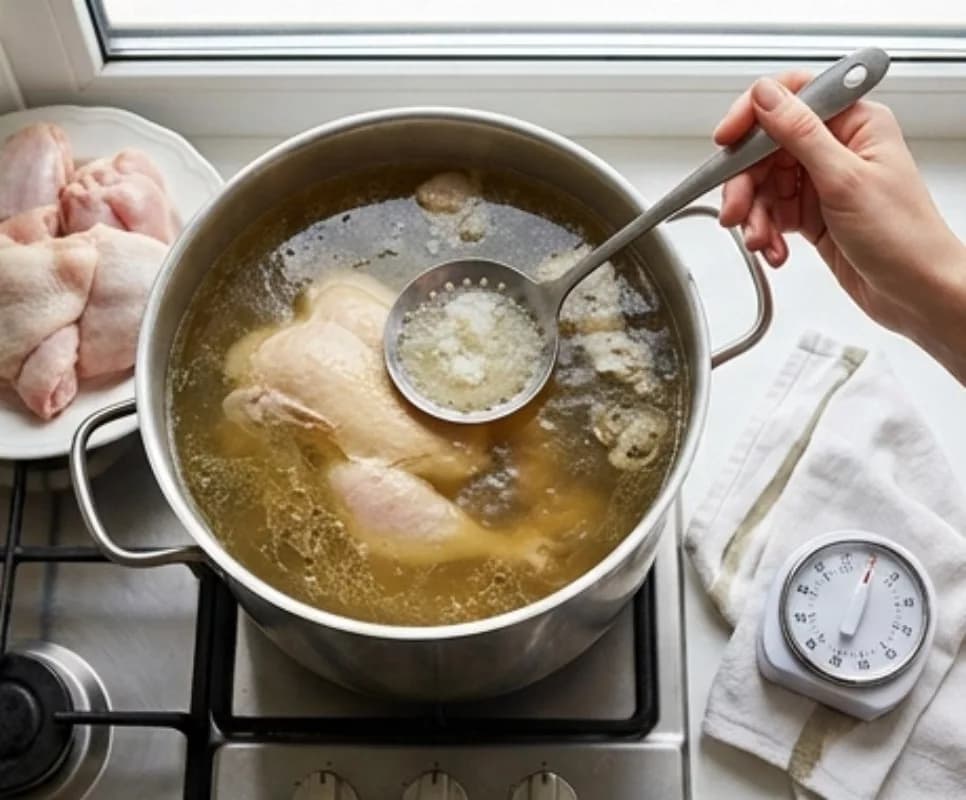
Cook the Chicken
Place 850 g (1.9 lb) of chicken in a large pot, cover with water (about 2–3 cm above the meat). Bring to a boil, skim off foam, reduce heat to low, and simmer for 1.5–2 hours until the meat is very tender. The broth should be clear and aromatic.
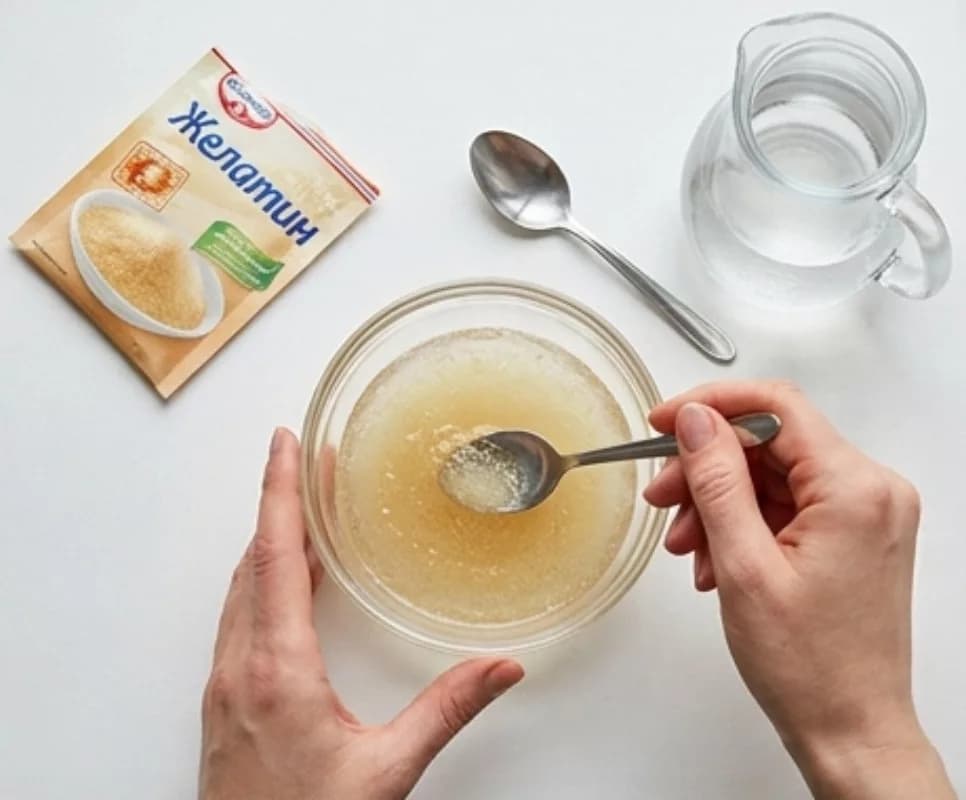
Soak the Gelatin
Pour 10 g (about 1 tbsp) of gelatin over 50–60 ml (¼ cup) of warm water (not hot!). Let it sit for 30 minutes to bloom.
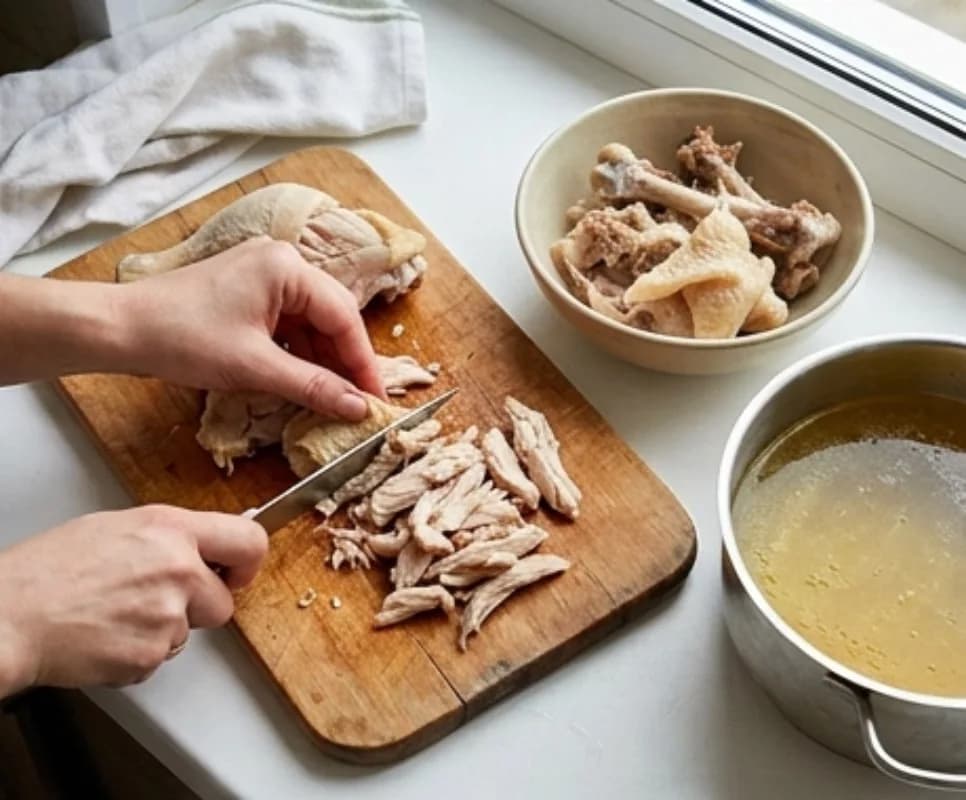
Shred the Meat and Strain the Broth
Remove the cooked chicken from the broth, separate the meat from bones and skin. Cut the meat into small pieces. Strain the broth through a fine sieve or cheesecloth for a clear result.
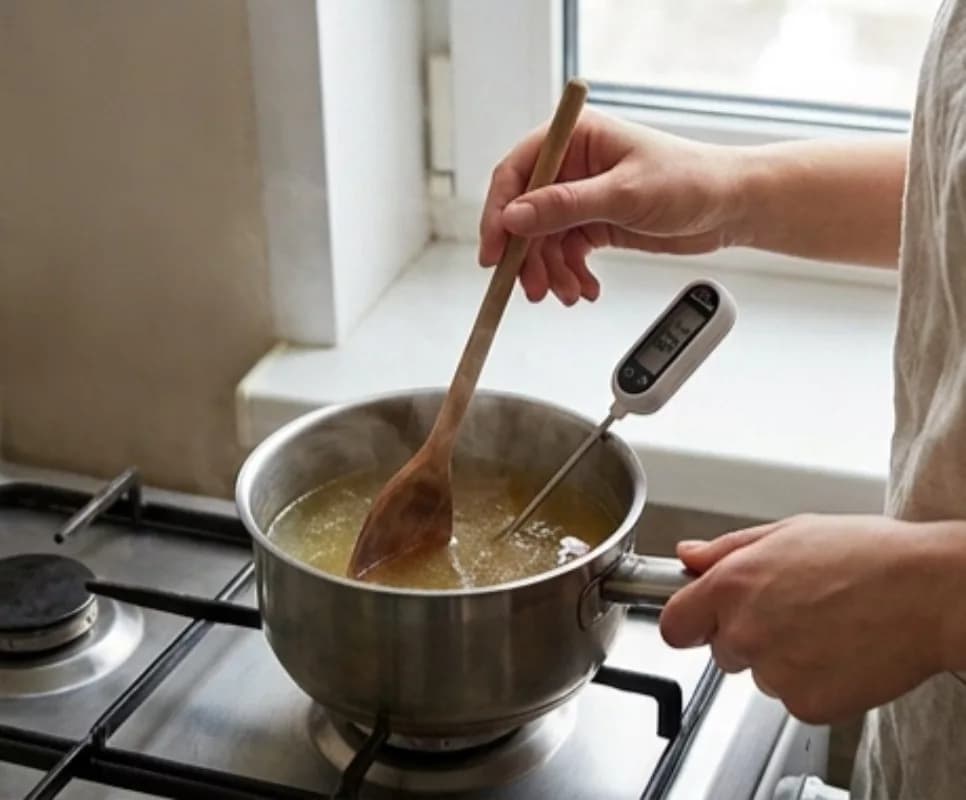
Dissolve the Gelatin
Heat the bloomed gelatin over low heat (or in a water bath), stirring constantly until fully dissolved. Do not boil. Pour the dissolved gelatin into the warm (not hot) broth and mix well.
Assemble the Aspic
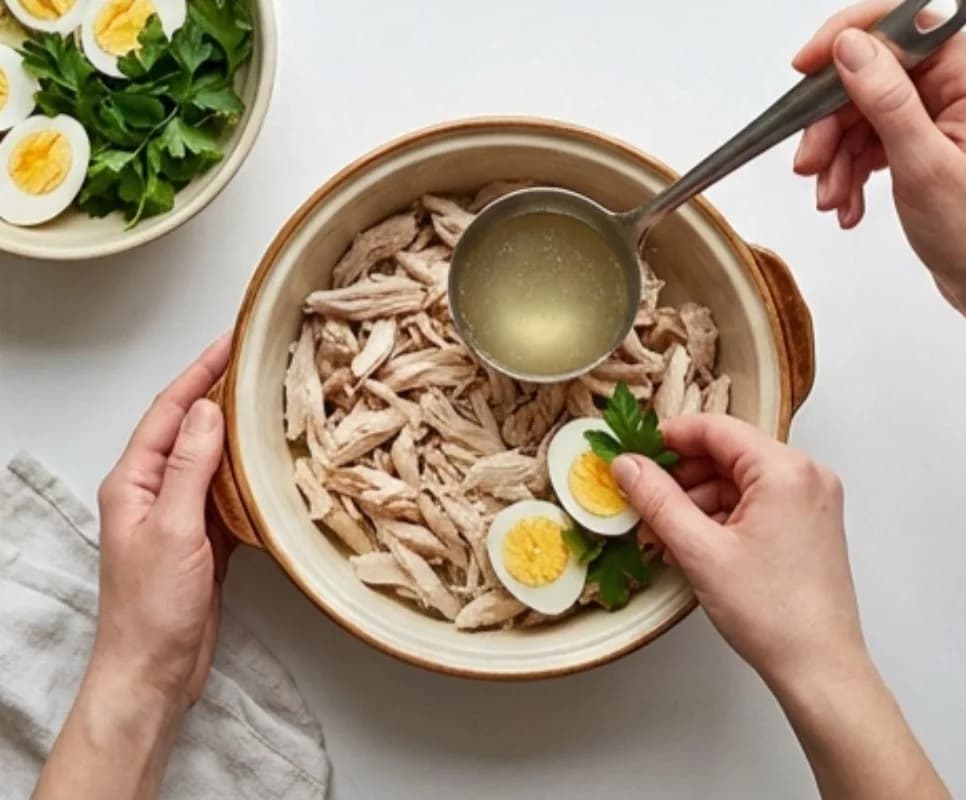
Place the meat pieces at the bottom of your chosen mold. Pour the broth-gelatin mixture over them. Garnish the top with slices of hard-boiled egg (55 g / 1 large) and chopped parsley (5 g).
Chill Until Set
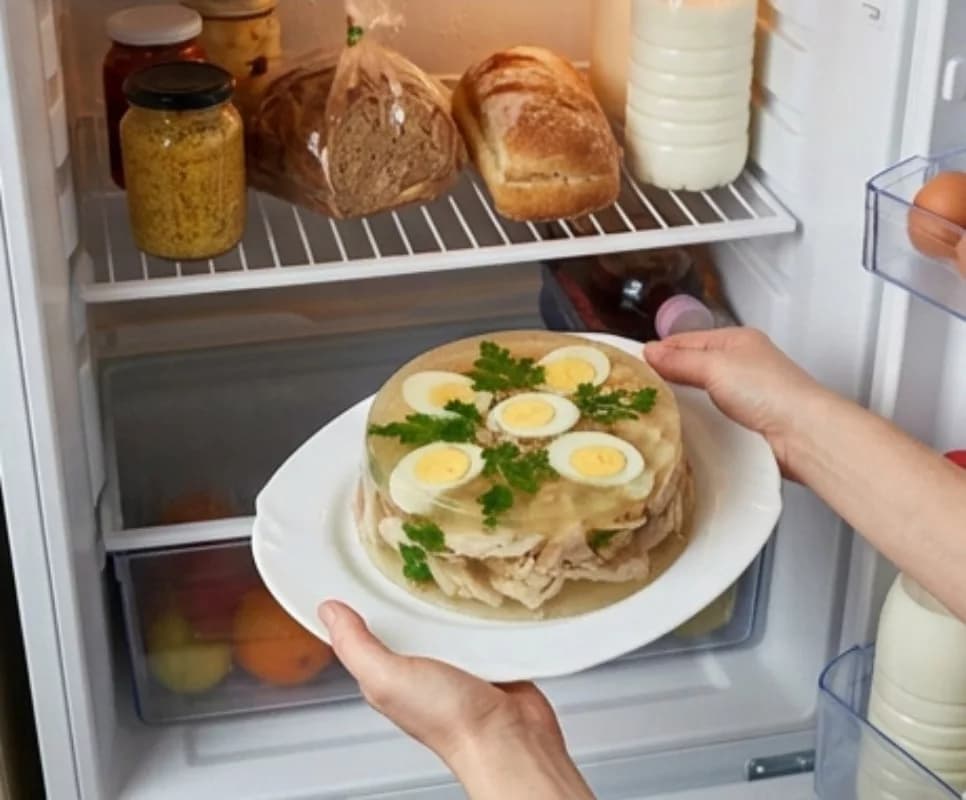
Refrigerate the mold for at least 4–6 hours, ideally overnight, until fully set. To serve, dip the mold in hot water for a few seconds, then invert onto a serving plate.
CHEF'S TIP
Choose the Right Chicken
Free-range or soup chickens give a richer, more gelatinous broth than broilers. If using chicken parts, choose drumsticks or thighs for best results.
Don't Overheat the Gelatin
Gelatin loses its gelling power if boiled. Heat it over the lowest heat or in a water bath, stirring until just dissolved, then remove immediately.
Cool the Broth Before Adding Gelatin
Let the broth cool to about 60–70°C (140–160°F) before mixing with gelatin to ensure even distribution and prevent clumping.
Use Attractive Molds
Pour the aspic into individual molds or a single serving dish. For a decorative touch, place slices of boiled carrot or egg shapes at the bottom before adding the meat.
SUBSTITUTIONS
Add your taste
- Replace Chicken with Pork or Beef For a richer, more robust aspic, use pork trotters or beef shank. Increase cooking time to 3–4 hours, and reduce gelatin since bones provide natural collagen.
- Use Agar-Agar Instead of Gelatin For a vegetarian or fish version, use agar-agar at 1 teaspoon per 250 ml of liquid. It sets at room temperature and doesn't require refrigeration.
- Add Vegetables for Color Besides egg and parsley, add cooked carrot slices, green peas, or bell pepper strips to make the aspic more vibrant and festive.
- Make a Gelatin-Free Version If you boil chicken bones with cartilage for 4–5 hours, the broth will set naturally due to natural gelatin from the bones — a more traditional method.
HOW TO STORE
How to Store Chicken Aspic
Keep the aspic in the fridge, covered with plastic wrap or a lid, for up to 5 days. It holds its shape and flavor perfectly. Do not freeze — thawing makes the jelly watery and grainy. Before serving, let it sit at room temperature for 10–15 minutes to loosen from the mold.
GOOD TO KNOW