

Homemade melted cheese
WHAT YOU WILL NEED
From ingredients
7 products


Разрыхлители

Подсластители

SIMPLE PROCESS
Step by step recipe
The key to this cheese is the reaction between baking soda and cottage cheese. The soda neutralizes acidity and promotes melting, so letting the mixture rest for an hour is essential. Use medium-fat (5–9%) cottage cheese and quality butter for creaminess. Stir constantly over gentle heat to prevent burning and achieve a smooth texture. You can customize the spices to your taste.
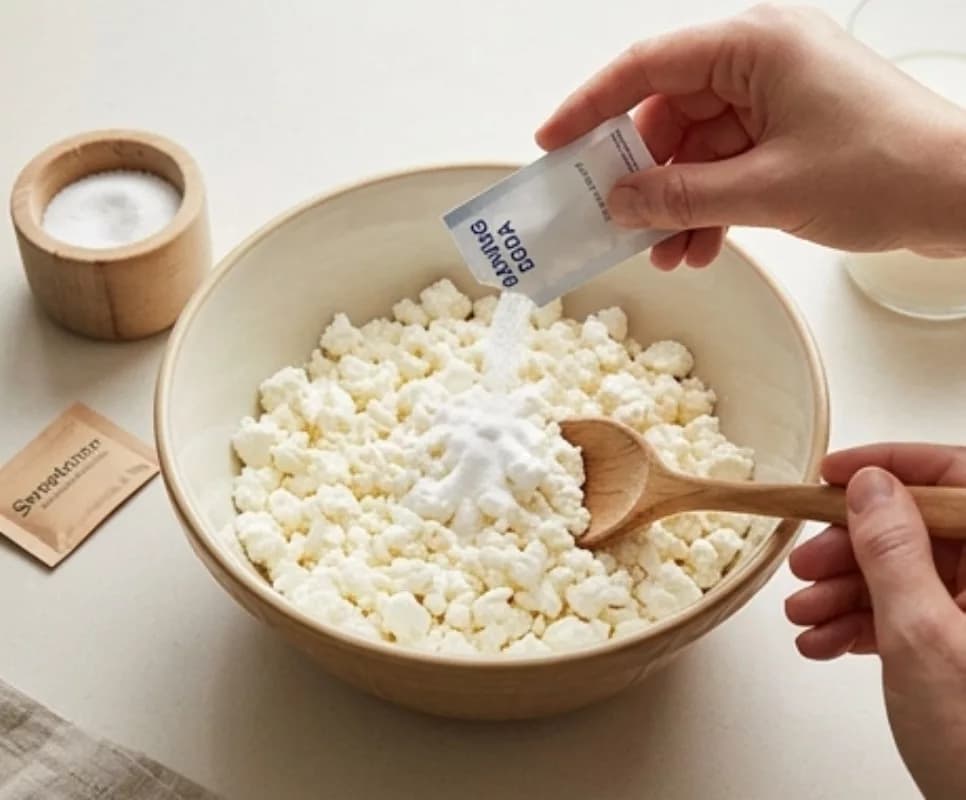
Mix Cottage Cheese with Baking Soda
In a large bowl, mash 500 g (about 2.2 cups) of cottage cheese with 5 g (1 tsp) of baking soda until smooth. Add 5 g (1 tsp) of salt and 1 g (¼ tsp) of sweetener, mix well.
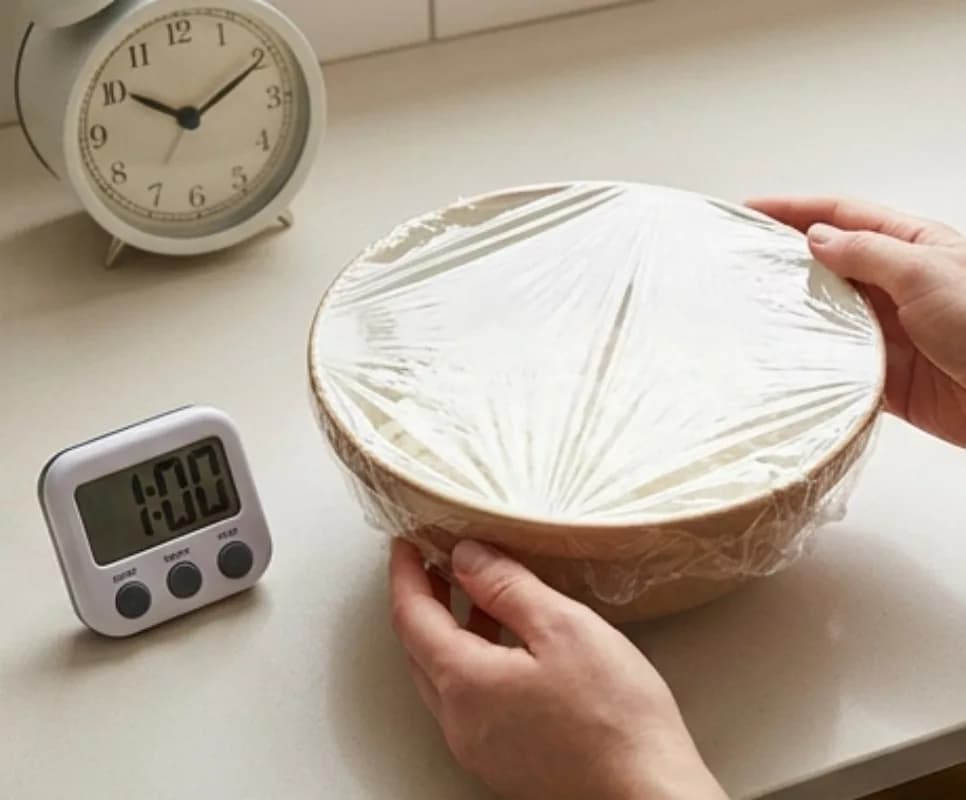
Let It Rest for an Hour
Cover the bowl and leave it at room temperature for 60 minutes. This allows the baking soda to start reacting with the cheese for better melting.

Add Butter, Egg, and Spices
After an hour, add 100 g (½ cup) of softened butter, 1 large egg (55 g), minced garlic (3 g / 1 clove), and paprika (2 g / ½ tsp). Mix thoroughly until smooth.
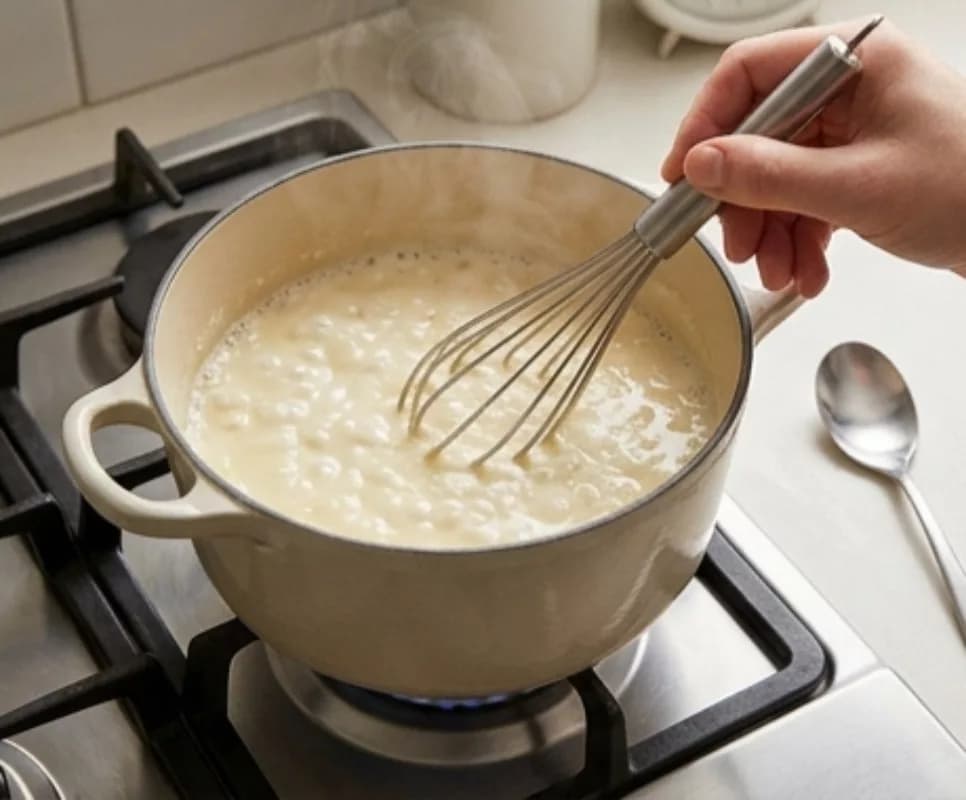
Heat Over Low Heat or in a Double Boiler
Transfer the mixture to a heavy-bottomed saucepan or a bowl set over a double boiler. Heat over low heat, stirring constantly with a whisk, until fully melted and smooth (about 15–20 minutes).
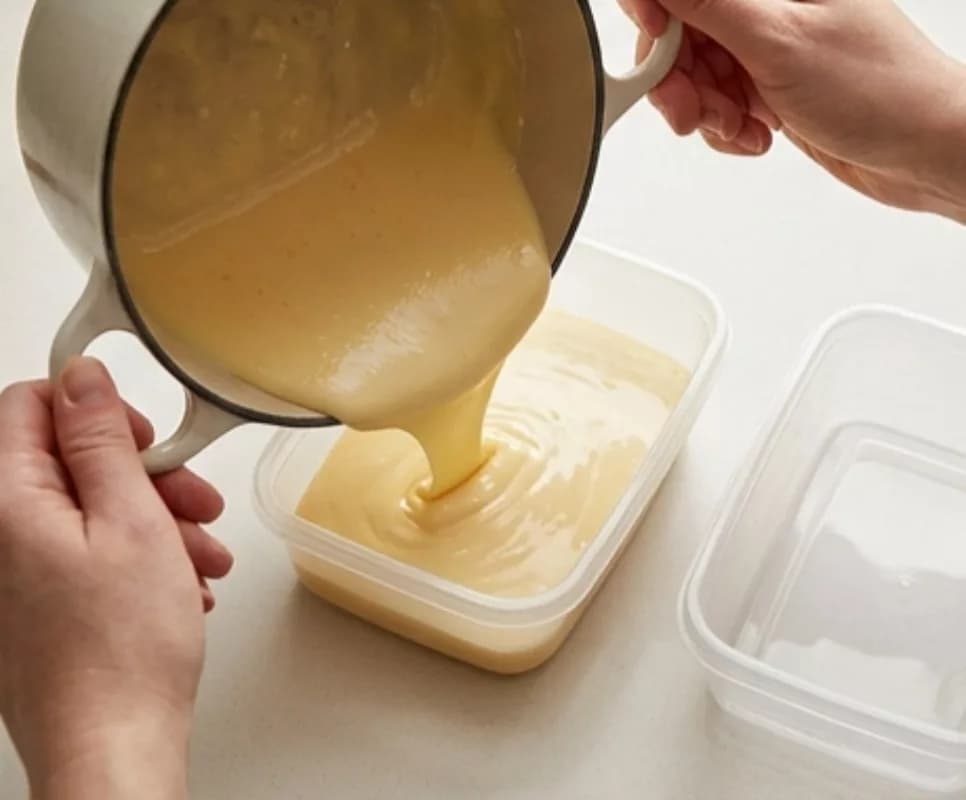
Transfer to Containers
Pour the hot cheese into a clean container or small molds. Press plastic wrap directly onto the surface.
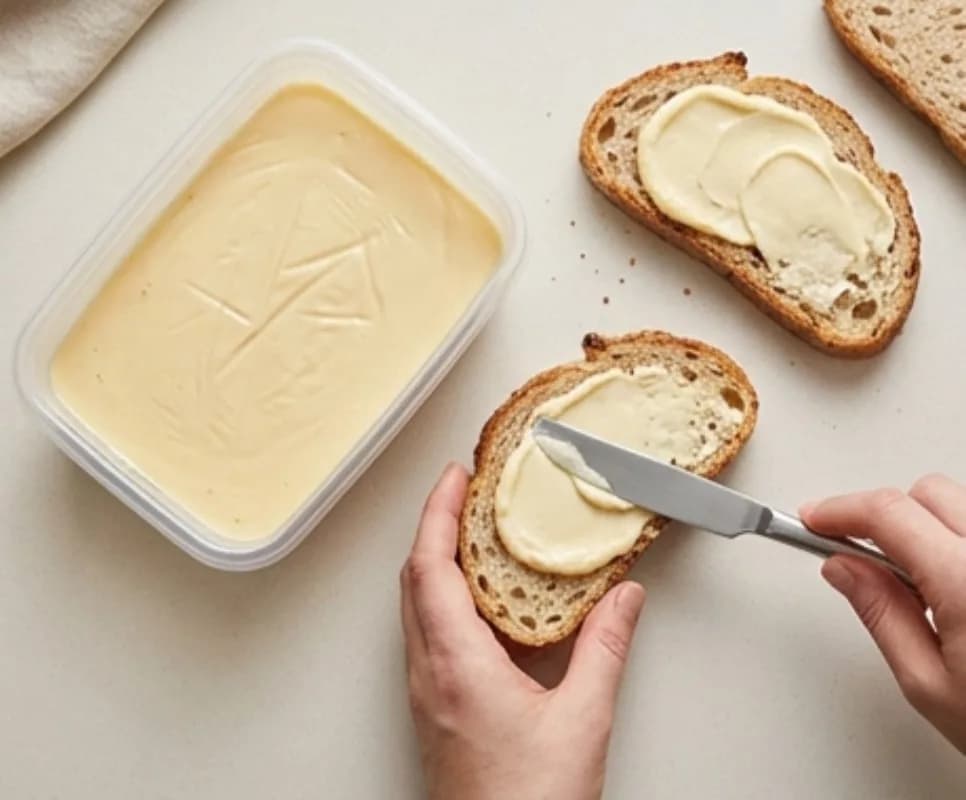
Cool and Serve
Let the cheese cool to room temperature, then refrigerate for at least 2–3 hours until fully set. Serve on toast or with crackers.
CHEF'S TIP
Choose the Right Cottage Cheese
Use 5–9% fat cottage cheese that's smooth and not too grainy. If it's too dry, add 1–2 tablespoons of milk. If wet, drain it in a sieve first.
Don't Skip the Resting Time
The 1-hour rest at room temperature is crucial — it allows the baking soda to react with the cottage cheese, making it more pliable. Skipping it may prevent proper melting.
Cook Over Low Heat While Stirring Constantly
The mixture burns easily, so use low heat and stir with a whisk to prevent lumps. Patience ensures a smooth, glossy cheese.
Cover with Plastic Film in Contact
To prevent a skin from forming, press plastic wrap directly onto the surface of the cheese as soon as you pour it into the container. This keeps it perfectly creamy.
SUBSTITUTIONS
Add your taste
- Swap Garlic and Paprika for Herbs Replace garlic and paprika with chopped dill or dried Italian herbs (oregano, thyme) for a more herbal flavor.
- Use Cream Instead of Butter For a lighter version, substitute the butter with 80 ml (about ⅓ cup) of heavy cream (33%). The cheese becomes softer.
- Make a Sweet Version Skip garlic and paprika, increase sweetener to 10 g (2 tsp), and add vanilla extract for a sweet cream cheese perfect for desserts.
- Add Nuts or Sun-Dried Tomatoes Fold in chopped walnuts or sun-dried tomato pieces into the finished cheese for extra texture and flavor.
HOW TO STORE
How to Store Homemade Creamy Cheese
Store the cheese in the fridge in an airtight container, with plastic wrap pressed directly onto the surface, for up to 5 days. You can freeze small portions for up to 2 months (thaw in the fridge). Before serving, let the cheese sit at room temperature for 10–15 minutes to soften for easy spreading.
GOOD TO KNOW