

Cabbage pancakes
WHAT YOU WILL NEED
From ingredients
5 products


SIMPLE PROCESS
Step by step recipe
The main secret to this casserole is properly prepared cottage cheese. It should be dry and full-fat (5% or more), and eggs should be at room temperature. Semolina acts as a stabilizer, but it’s crucial to let it swell for a uniform texture. We’ll show you how to achieve the ideal consistency and a golden crust.
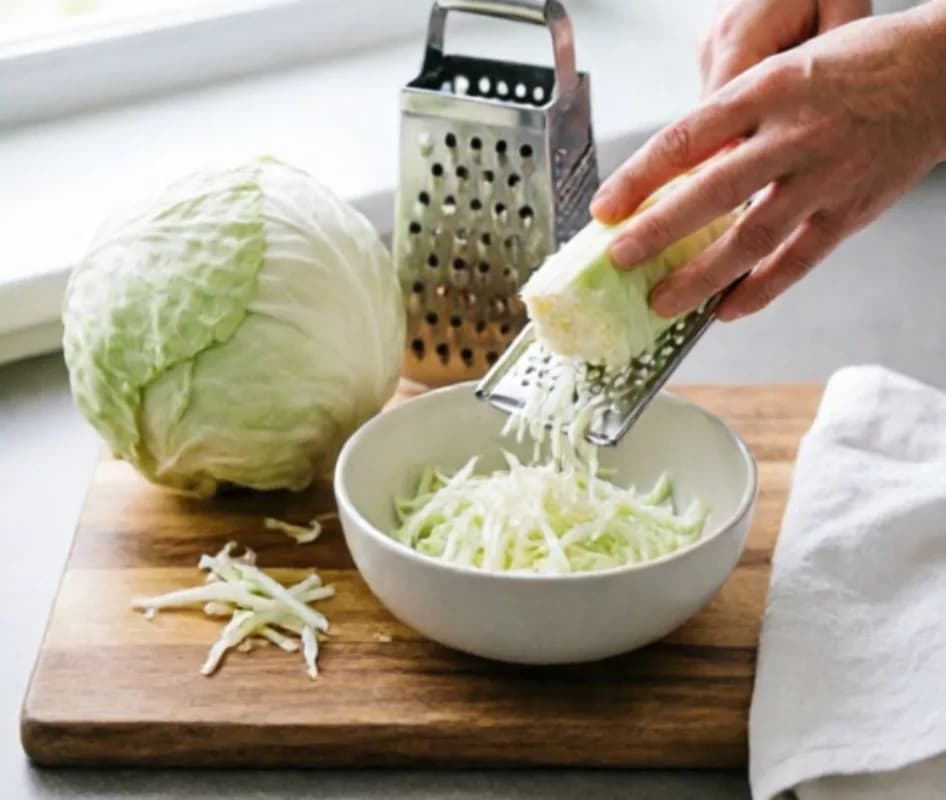
Prepare the Cottage Cheese
Press 500 g (2.2 cups) of cottage cheese through a fine sieve or blend with an immersion blender until smooth and paste-like. This removes lumps and ensures a delicate texture.
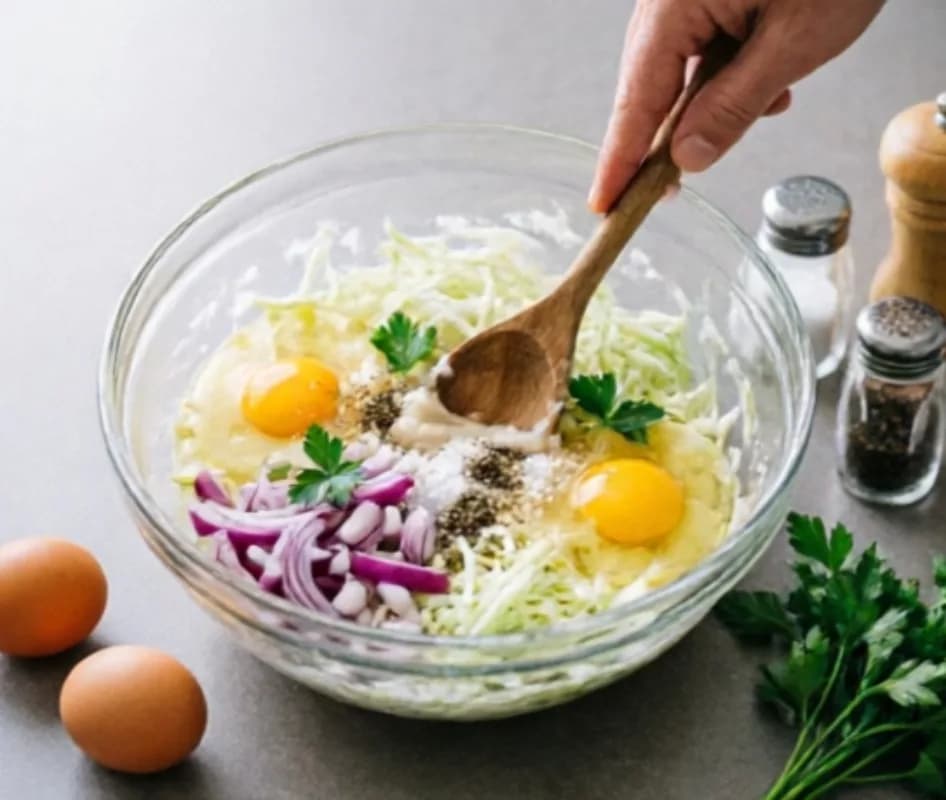
Whisk Eggs with Sugar
In a separate bowl, whisk 2 eggs with 50 g (1/4 cup) of sugar and a pinch of salt until fluffy and pale. Add 1 tsp vanilla sugar and whisk for another minute.
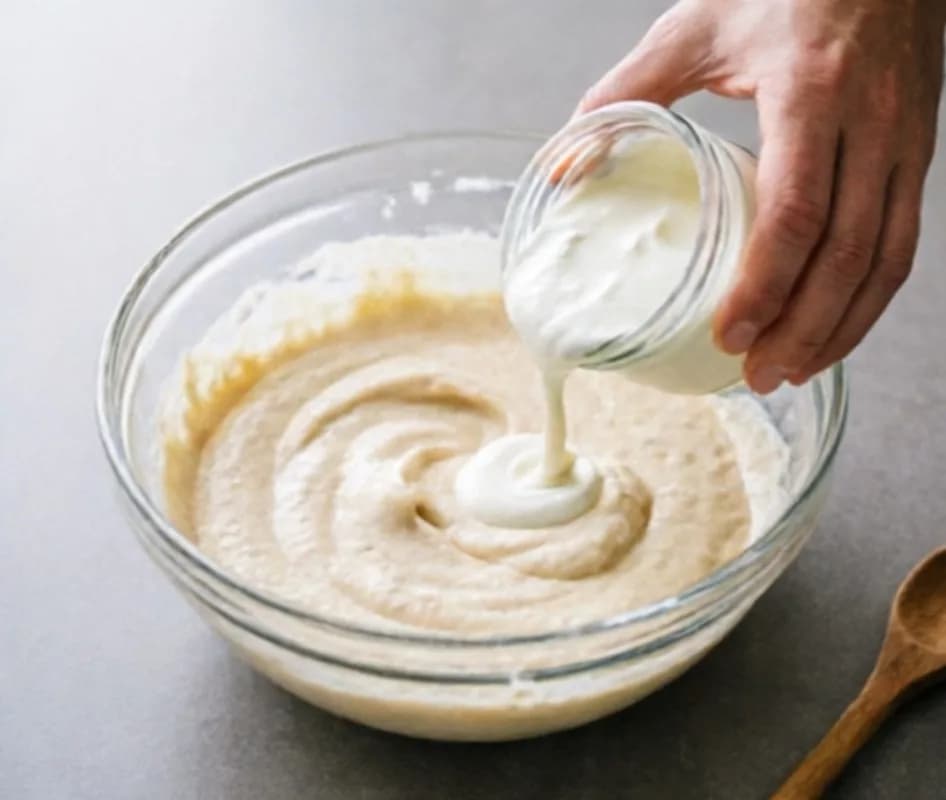
Combine All Ingredients
Pour the egg mixture into the cottage cheese, add 30 g (3 tbsp) semolina and 1 tsp baking powder. Mix thoroughly with a spatula until smooth. Let the batter rest at room temperature for 20–25 minutes to allow the semolina to swell.

Prepare the Baking Dish
Grease a 20–22 cm (8–9 inch) baking dish with butter or line with parchment. If using a silicone mold, you can skip greasing.

Bake the Casserole
Transfer the batter to the dish and smooth the top. Place in a preheated oven at 180°C (350°F) on the middle rack. Bake for 40–45 minutes until golden brown. Do not open the oven for the first 30 minutes.

Cool and Serve
Leave the baked casserole in the switched-off oven with the door slightly ajar for 10 minutes, then cool completely in the dish. Cut into portions and serve with sour cream, yogurt, or fresh berries.
CHEF'S TIP
Choose the Right Cottage Cheese
For best results, use cottage cheese with 5–9% fat and a dry consistency. If it's too wet, drain it in a sieve or cheesecloth for 1–2 hours to remove excess whey – otherwise the casserole will be soggy.
Eggs at Room Temperature
Take eggs out of the fridge an hour before cooking. Warm eggs whip better and add more airiness. If you forget, place them in warm water for 10 minutes.
Don’t Open the Oven for the First 30 Minutes
To prevent the casserole from collapsing, keep the oven door closed during the first half of baking. A sudden temperature drop can ruin the structure and make it flat.
Test Doneness with a Wooden Skewer
Pierce the center – if the skewer comes out clean, it’s done. If wet, bake 5–10 minutes more, lowering the temperature to 170°C to avoid burning the top.
SUBSTITUTIONS
Add your taste
- Lower the Calories Replace sugar with stevia or erythritol in a 1:1 sweetness ratio. Sugar substitutes don’t affect texture, but calorie count drops to about 120 kcal.
- Gluten-Free Version Swap semolina for cornstarch or rice flour in the same amount. Cornstarch makes it even more tender, but you don’t need to let it swell.
- Add Berries or Dried Fruit Fold in 100 g of fresh or frozen berries (blueberries, raspberries) or a handful of raisins. Coat berries in flour (or starch) so they don't sink to the bottom.
- Vegan Alternative Replace eggs with mashed banana (1 banana = 2 eggs) or a flaxseed meal mixture (1 tbsp meal + 3 tbsp water per egg). Replace cottage cheese with tofu, though texture will differ.
HOW TO STORE
How to Store Cottage Cheese Casserole
Let the casserole cool completely at room temperature, then transfer to an airtight container or wrap in plastic wrap. It stays fresh in the fridge for up to 3 days. Reheat a slice in the microwave (30–40 seconds) or in the oven at 150°C for 10 minutes. For freezing, cut into portions, wrap each in plastic, and place in a freezer bag. Freeze for up to 2 months. Thaw in the fridge for 4–6 hours or at room temperature for 1–2 hours.
GOOD TO KNOW