

Cottage cheese casserole
WHAT YOU WILL NEED
From ingredients
4 products


SIMPLE PROCESS
Step by step recipe
The key is blending the mixture properly. Use a blender to achieve a smooth, creamy consistency without lumps. Choose medium-fat cottage cheese (5–9%) and room-temperature eggs. Butter adds tenderness and makes the casserole more crumbly. Bake until golden, avoiding opening the oven for the first 20 minutes to prevent sinking. Serve warm with sour cream – pure comfort!
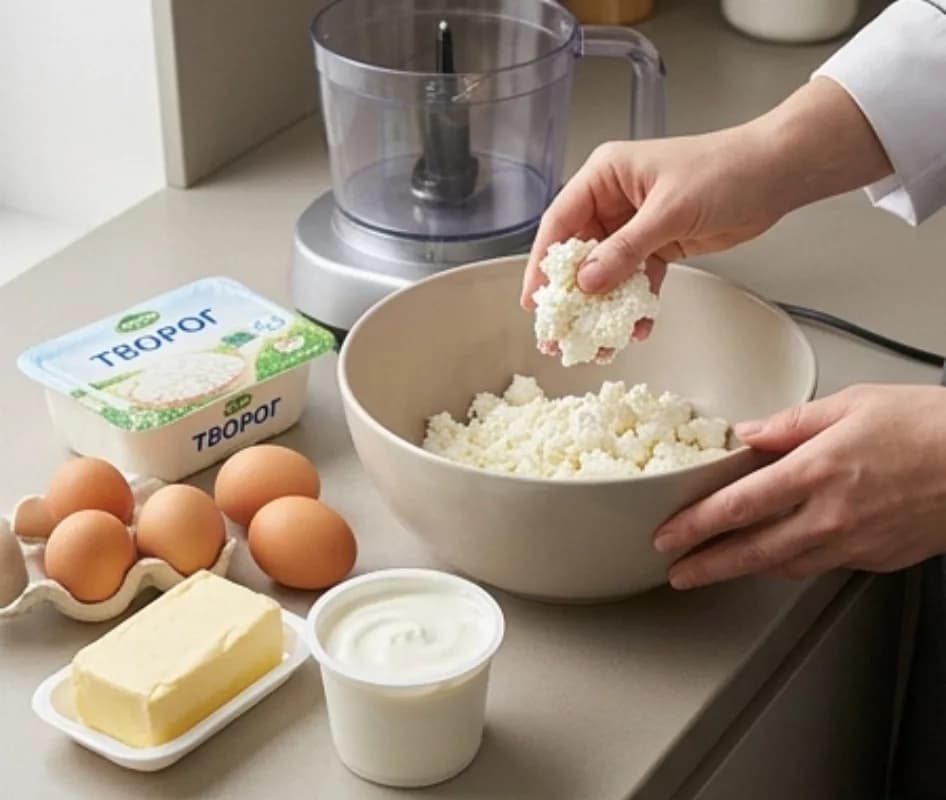
Prep the Ingredients
Take 500 g (about 2.2 cups) cottage cheese and 165 g (about 3 large) eggs out of the fridge 30 minutes before cooking – they should be room temperature. Soften 50 g (about 3.5 tbsp) of butter.
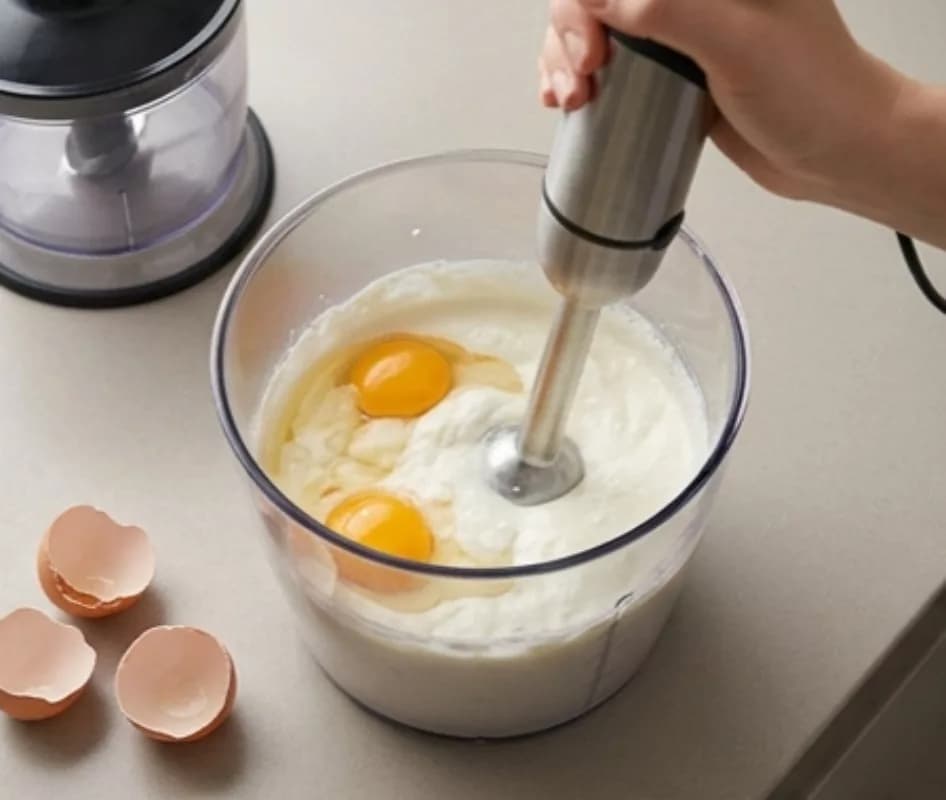
Blend Cottage Cheese with Eggs
Place the cottage cheese and eggs in a blender bowl or deep bowl. Blend with an immersion blender until smooth, creamy, and lump-free – about 1–2 minutes.
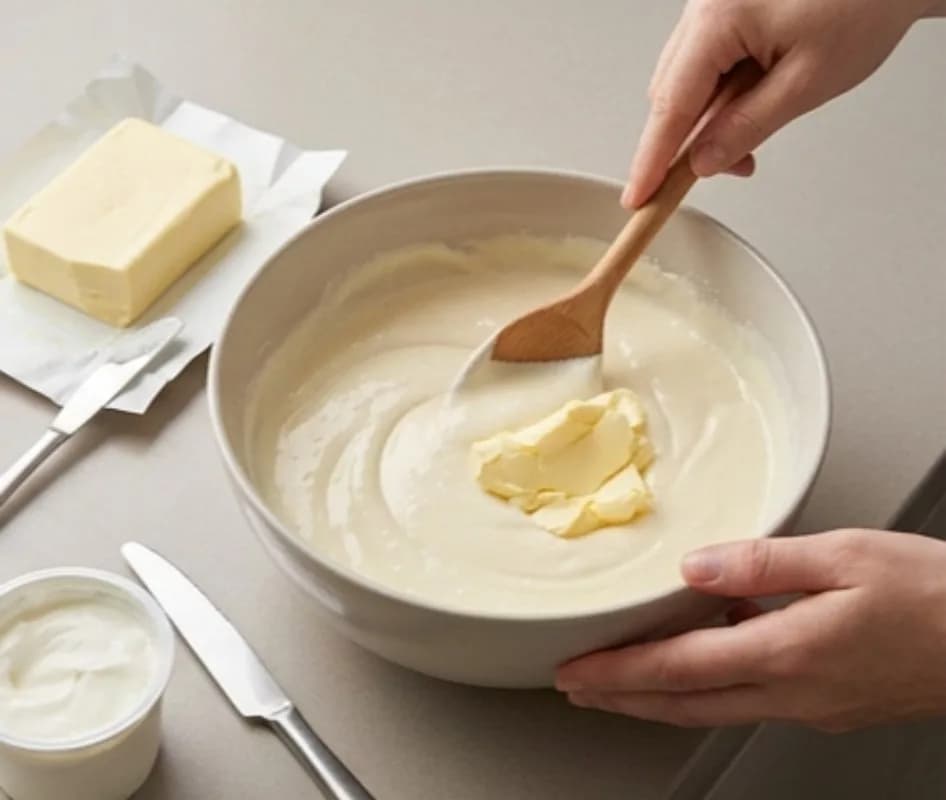
Add Butter
Add the softened butter to the mixture and continue blending until fully combined – the mixture should become smooth and glossy.
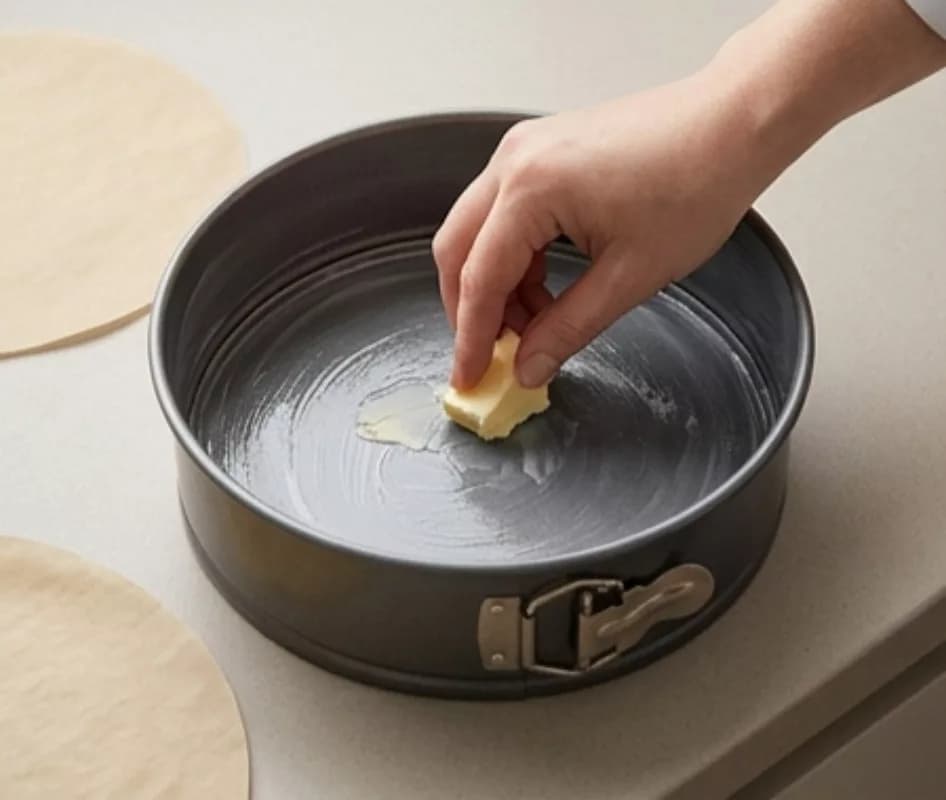
Prepare the Baking Dish
Grease a 22–24 cm (9–10 inch) baking dish with butter or line with parchment paper. If using a silicone mold, no greasing needed.
Bake
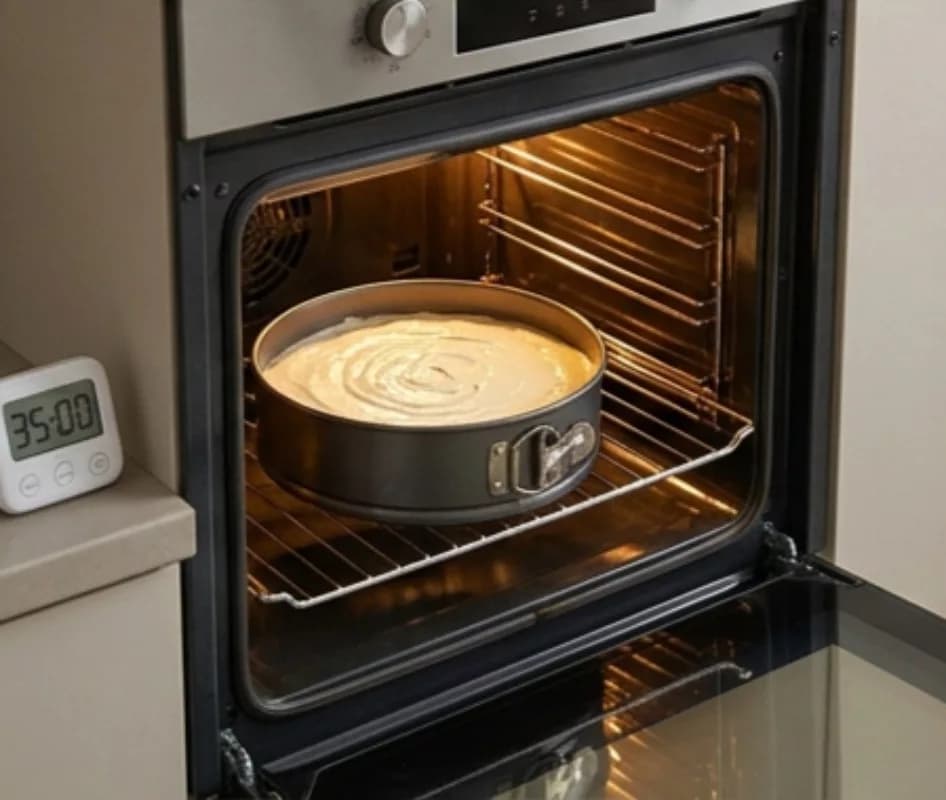
Pour the cottage cheese mixture into the dish, smoothing the top. Place in a preheated oven at 180°C (350°F) on the middle rack. Bake for 35–40 minutes until golden. Do not open the oven for the first 20–25 minutes.
Cool and Serve
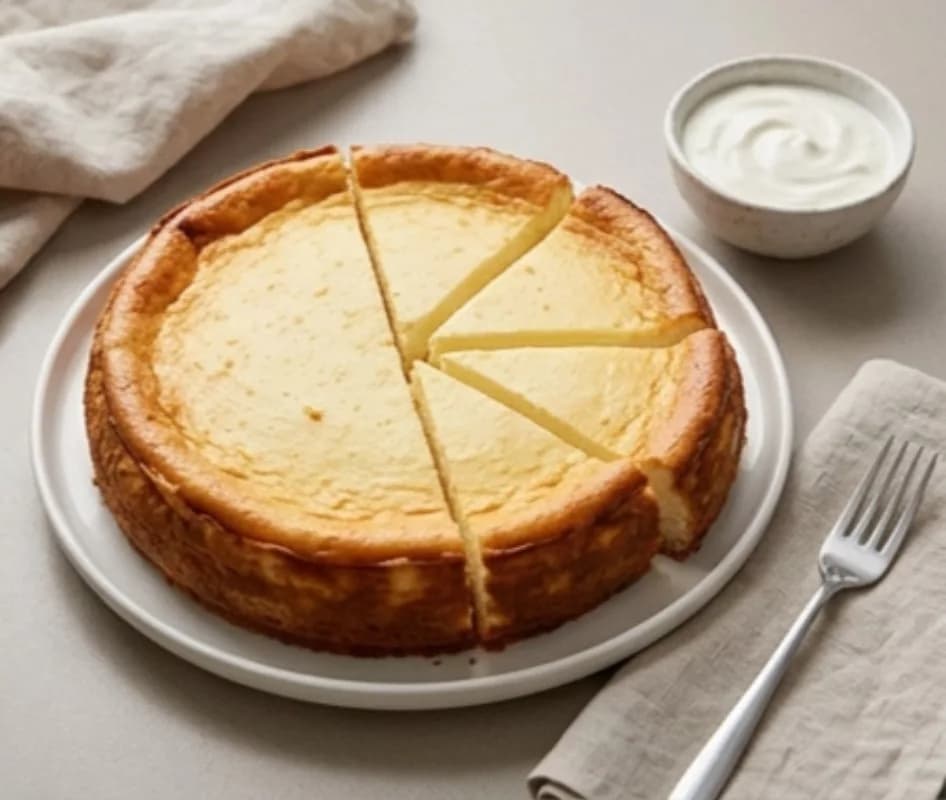
After baking, leave the casserole in the oven with the door ajar for 10 minutes, then cool completely in the dish. Slice into portions and serve with 100 g (about ½ cup) of sour cream. Enjoy!
CHEF'S TIP
Choose the Right Cottage Cheese
Use cottage cheese with 5–9% fat and fine curds. If it's too dry, add 1–2 tablespoons of milk or sour cream. If too wet, drain in a sieve to remove excess whey.
Blend Until Creamy
The longer you blend, the creamier and more airy the casserole will be. Aim for complete smoothness – it will melt in your mouth.
Don't Open the Oven Early
The casserole needs to rise during the first 20–25 minutes – sudden temperature changes can cause it to collapse. Wait until the top is golden before checking.
Let It Rest Before Serving
After turning off the oven, leave the dish inside with the door slightly open for 10–15 minutes. Then cool at room temperature for another 5 minutes – it will firm up and slice more easily.
SUBSTITUTIONS
Add your taste
- Add Raisins or Dried Apricots Fold in 50 g (about ⅓ cup) of raisins (soaked in hot water) or chopped dried apricots – a sweeter version kids will love.
- Replace Butter with Vegetable Oil To reduce calories, use 40 g (about 3 tbsp) of coconut oil or refined sunflower oil – the texture becomes slightly denser.
- Gluten-Free by Nature This recipe is already flourless, so it's naturally gluten-free. For a firmer texture, add 2 tablespoons of cornstarch.
- Serve with Greek Yogurt Instead of Sour Cream Yogurt adds a slight tang and lowers the calorie count while keeping it creamy.
HOW TO STORE
How to Store Cottage Cheese Casserole
Cool the casserole completely at room temperature, then transfer to an airtight container or wrap in plastic wrap. It keeps in the fridge for up to 3 days. Reheat a slice in the microwave (30–40 seconds) or in the oven at 160°C (325°F) for 10 minutes. You can freeze portions: wrap each piece in plastic and place in a freezer bag. Store for up to 2 months. Thaw in the fridge for 4–6 hours or at room temperature for 1–2 hours.
GOOD TO KNOW