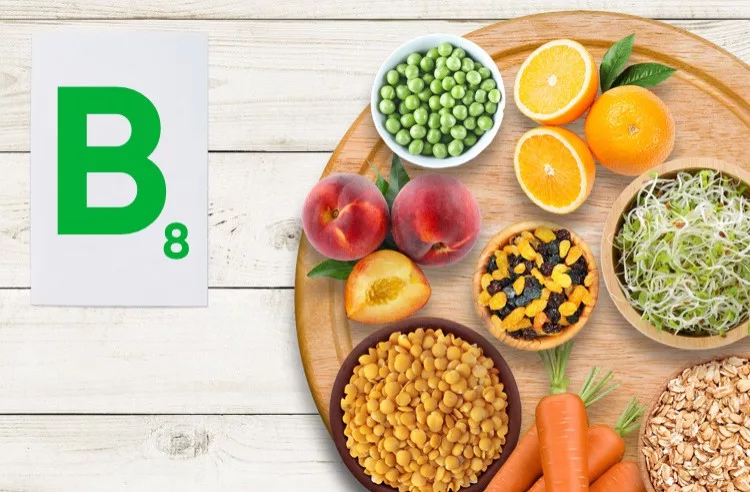
Inositol is involved in building protein and is essential for bone and muscle growth. It is also part of inositol phosphatides, which are found in all tissues of the body (most of them in the nervous tissue). Certain forms of the substance mediate signal transmission to cells in response to the production of various hormones. Inositol is synthesized from glucose in tissues, predominantly in the heart, liver, and kidneys. In the highest concentration, it enters the brain cells, a large amount of inositol is found in the back wall of the eyes, the lens and tears. B8 and its functions are important for the human body: Activates lipid metabolism. Participates in the work of the digestive tract. Helps the walls of blood vessels to remain elastic. Thins the blood, preventing the formation of blood clots. Affects the reproductive system of both sexes. Important for brain function, especially memory and concentration. It is a natural antidepressant. Restores the structure of the nervous tissue.

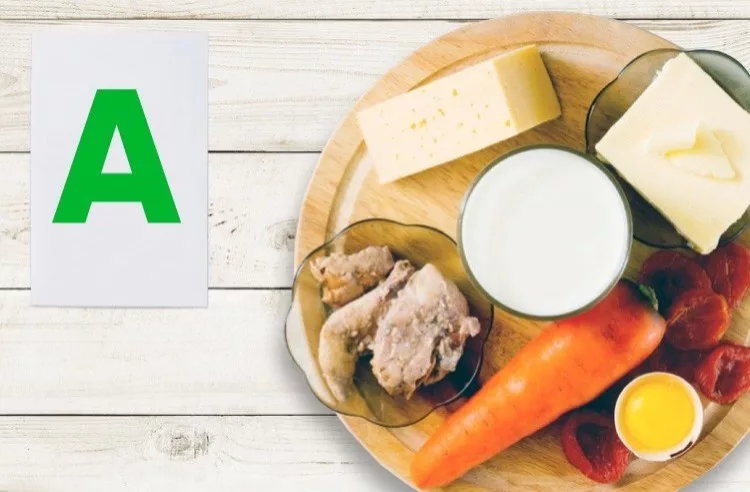
Vitamin A is involved in the formation of visual pigments that regulate the adaptation of the eye to darkness. Therefore, one of the first signs of a deficiency of this vitamin is night blindness (hemeralopia). Vitamin A ensures normal growth in children, normalizes metabolic processes in the skin and mucous membranes of various organs. Increases immunity, promotes the healing of ulcers, participates in the formation of bones and teeth, promotes the deposition of fats. Acts as an antioxidant, slows down the aging process, participates in the absorption of protein. The natural precursor of vitamin A is beta-carotene, found in many plant-based foods. Beta-carotene is the orange-yellow pigment that carrots owe their color to. And he “took” its name, since the Latin carota means carrot. In the human body, beta-carotene is converted to vitamin A. Refers to the fat-soluble type of trace elements. To increase the quality of digestibility, it is recommended to use with a certain amount of fat-containing products at the rate of: 1 kg of weight - 0.7 -1 gram of fat. The effect of the trace element on the body: It has a positive effect on the work of the visual organ. Normalizes the production of protein. Slows down the aging process. Participates in the formation of bone tissue and teeth. Increases immunity, kills infectious bacteria. Normalizes metabolic functions. Affects the production of steroid hormones. Affects the restoration of epithelial tissues. It creates conditions for the development of the embryo, contributes to the weight gain of the fetus. The daily intake of a vitamin is: for women 700 mcg; for men 900 mcg;

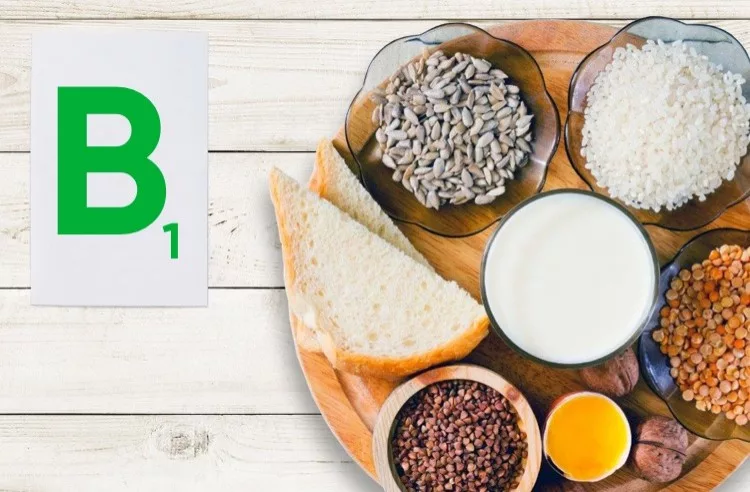
Because thiamine accumulates in the skeletal muscles, brain, heart, liver, and kidneys, it affects normal growth and development and supports organs such as the heart and stomach.B1 improves memory, attention, helps you concentrate and keep your attention for a long time.The vitamin regulates mood (especially in women) and helps absorb new knowledge.Thiamine also influences a person to have an appetite.Vitamin B1 blocks the aging process in cells and protects the body from the negative effects of smoking and alcohol, not only on the skin but also on the lungs.Relieves symptoms of seasickness, relieves toothache, and keeps the muscles of the digestive tract toned.

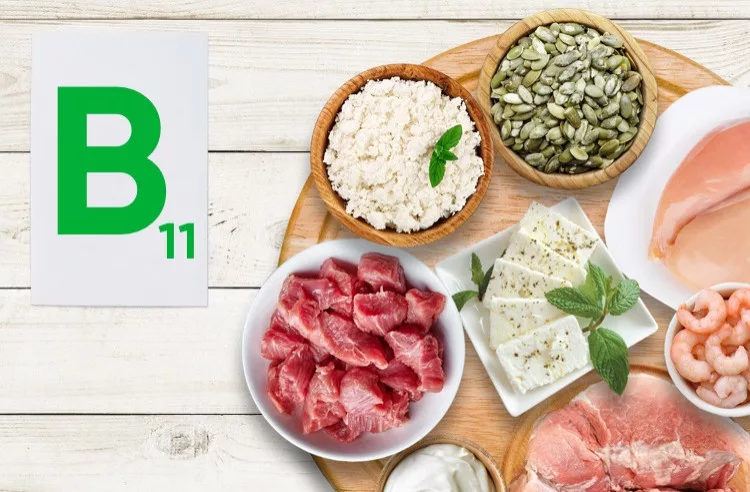
L-carnitine is a natural substance related to B vitamins. Carnitine is usually synthesized in the human body in sufficient volume. B11 increases the secretion and enzymatic activity of digestive juices (gastric and intestinal), improves digestion. Levocarnitine reduces excess body weight and reduces fat content in skeletal muscles. It increases the threshold of resistance to physical exertion, reduces the degree of lactic acidosis and restores performance after prolonged physical exertion, while contributing to the economical consumption of glycogen and increasing its reserves in the liver and muscles. It has a neurotrophic effect, inhibits apoptosis, limits the affected area and restores the structure of the nervous tissue. Carnitine normalizes protein and fat metabolism, normalizes increased basal metabolism in thyrotoxicosis.

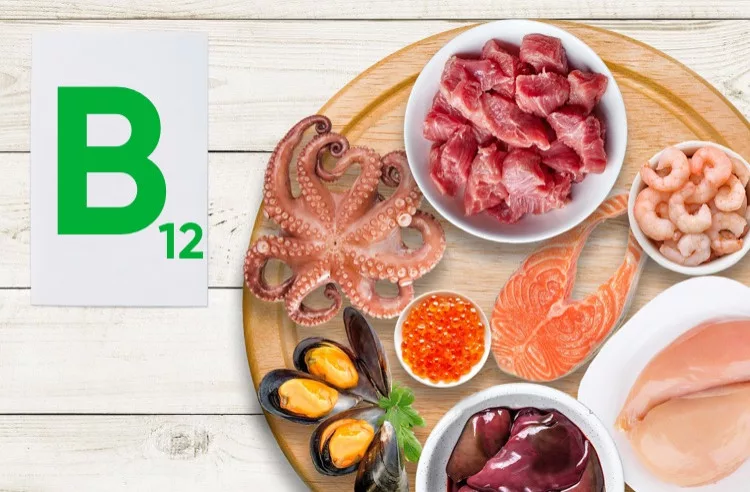
Vitamin B12 is essential for many important hormonal and metabolic functions in the body. Including, for the production of digestive enzymes and the transport of essential nutrients in and out of cells. A sufficient level of B12 is essential for normal hematopoiesis and neurological functionality. This vitamin contributes to the synthesis of many compounds in our body. Therefore, it is essential for more than 100 bodily functions on a daily basis. It is important for mood, brain function, energy production, body cleansing, the immune system, and many other functions.

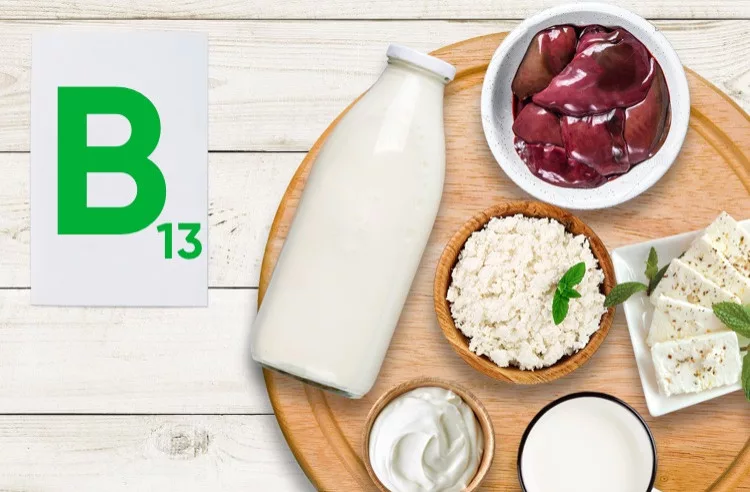
Orotic acid plays a very important role in the body. B13 helps in the work of the heart, brain and even reproduction, having the following properties: Improves reproductive health, favorably affects the development of the fetus during pregnancy. It may prevent some problems associated with the liver and premature aging. Helps in the treatment of multiple sclerosis. Participates in the synthesis of methionine, in the metabolism of folic acid, pantothenic acid and vitamin B12. Has anabolic properties. Stimulates protein synthesis. Helps with cell division. Improves the growth and development of the body. Regenerates hepatocytes. Reduces the risk of anemia. Helps maintain muscle contractility. Improves myocardial contraction, preventing myocardial infarction.

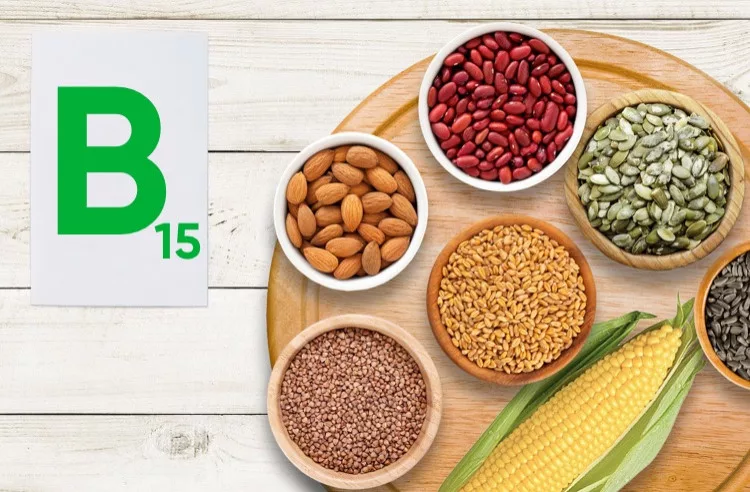
B15 serves as a source of free methyl groups, improves lipid metabolism, lowers blood cholesterol levels. It participates in oxidative processes, increases the uptake of oxygen by tissues, eliminates hypoxia, accelerates recovery processes, and increases the lifespan of cells. Stimulates the work of the adrenal glands, liver, protects the liver from cirrhosis. Stimulates the synthesis of proteins, increases the content of creatine phosphate in muscles and glycogen in the liver and muscles (creatine phosphate plays an important role in normalizing the functional ability of muscles and in optimizing energy processes in general). It has anti-inflammatory, anti-hyaluronidase properties, gives vasodilating and ganglioblocking effects. Stimulates immune responses, has detoxifying properties, reduces the need for alcohol and prevents hangovers.

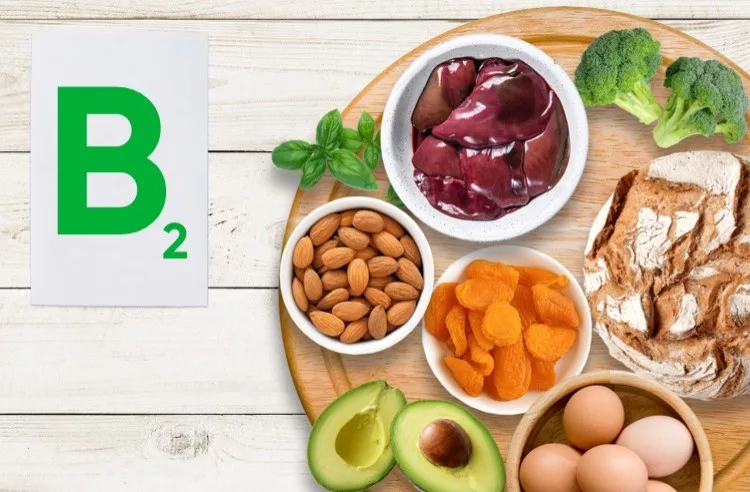
Like other B vitamins, riboflavin plays an important role in central and peripheral nervous system function. Other important properties of this organic compound include: Positive effect on visual function, regulation of the accomodation process of the eyeball, and prevention of cataract development. \Regulating fat metabolism, normalizing bile flow. Improving vitamin B6 (pyridoxine) absorption. Normalizing blood clotting, preventing thrombosis. Improving skin and hair follicle metabolism, preventing early wrinkles.

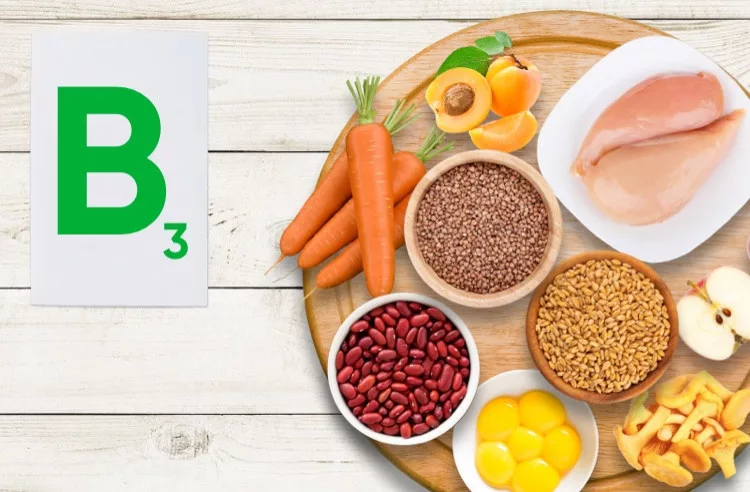
Vitamin B3 (Niacin, vitamin PP) is involved in vital redox reactions, in the metabolism of proteins, fats and carbohydrates, purine metabolism, tissue respiration, glycogen breakdown. It reduces the content of dangerous lipids in the blood, dilates small blood vessels and improves microcirculation. With the help of vitamin B3, there is an activating effect on the functions of the cerebral cortex, the state of the vascular bed (vasodilating effect) and blood flow rate, as well as: Increased secretory and motor functions of the stomach The functional activity of the pancreas is stimulated (the content of trypsin, amylase, lipase increases) and the liver

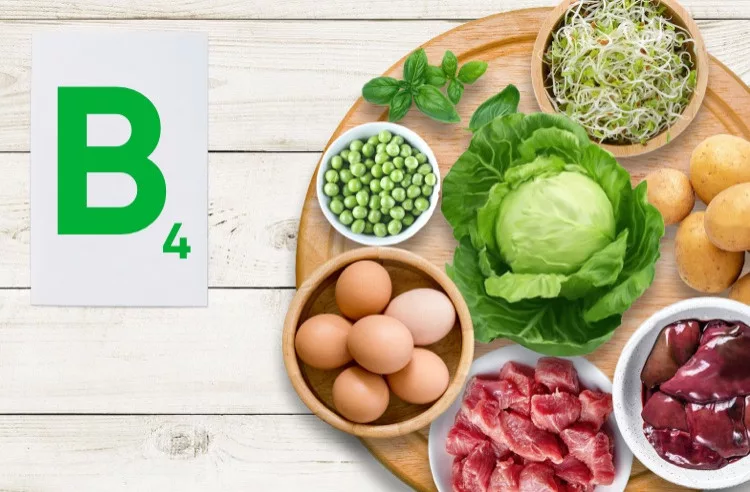
Vitamin B4 (Choline) actively works in the breakdown and metabolism of fats, and also contributes to the rapid restoration of damaged tissues of an organ such as the liver, helping to prevent the appearance of gallstones. Also, vitamin B4 is able to normalize the heart rhythm, strengthen the heart muscle, and also lower the level of cholesterol in human blood. Vitamin has an effect on carbohydrate metabolism, helping to regulate blood sugar. It has a high role in human reproductive function. The most important value of the vitamin is that it is the most important building material of the brain, while it has a positive effect on mental abilities.

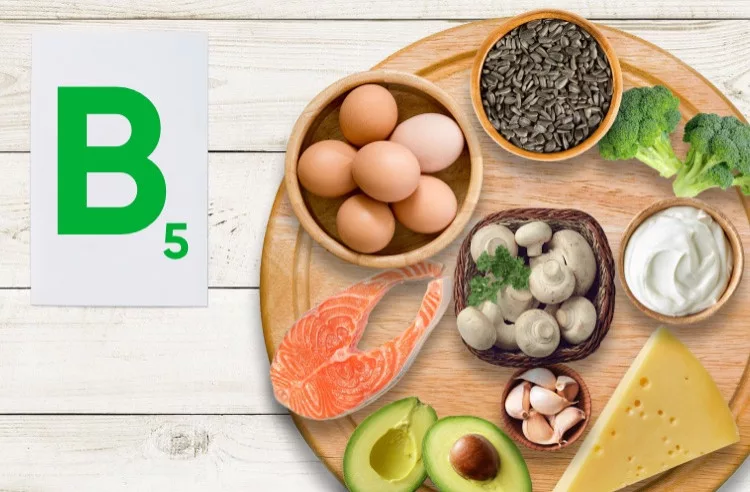
Vitamin B5 (Pantothenic acid) is actively involved in: The release of energy from essential nutrients, as well as other vitamins, especially vitamin B2. Increased levels of cortisol and other adrenal hormones that are important for the skin and nerves. Cell building and development of the central nervous system. Maintaining a healthy gastrointestinal tract. Increasing the body's resistance to stress. Reducing the toxic effect of many antibiotics. In protection against premature aging and the formation of wrinkles.

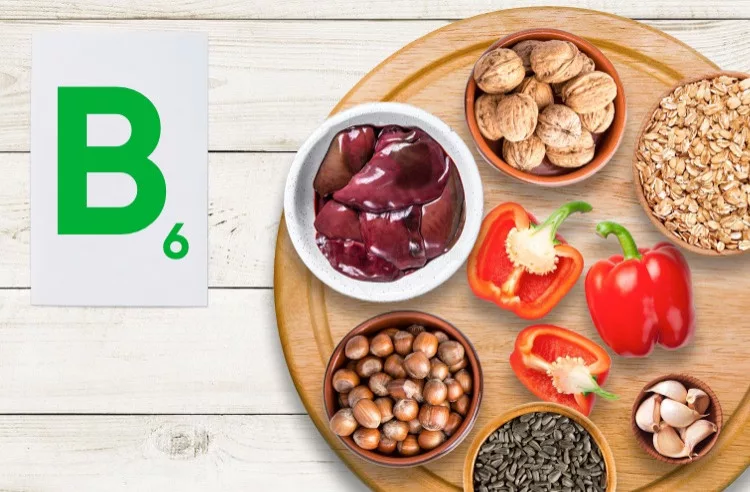
Vitamin B6 takes part in the functioning of many processes in the body. Actively participates in the work of the nervous and immune systems, improves the general condition. It is primarily a stimulant of metabolism, participates in one hundred enzymatic reactions. All B6 vitamins support the body in converting foods into glucose. B6 relieves inflammation because it is endowed with antioxidant properties. Due to this, the vitamin is used to protect against cancer, chronic diseases, deterioration of the heart.

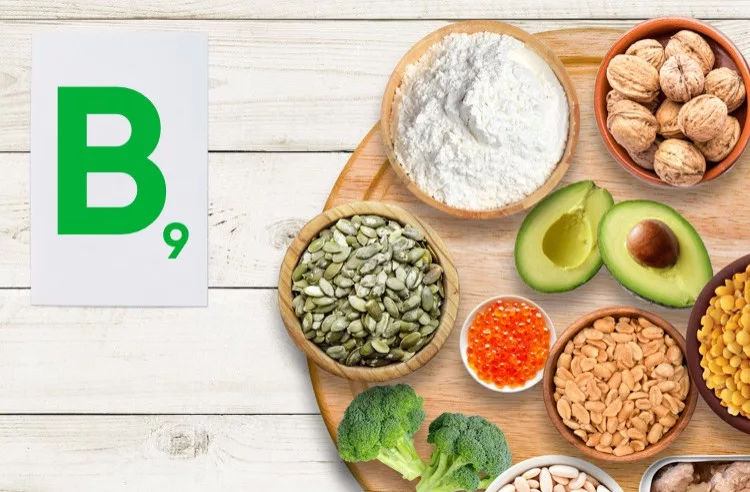
Vitamin B9 (folic acid) is an indispensable ally in the fight against dysbacteriosis and intestinal infections. Supports normal digestion and appetite in childhood. It actively contributes to the removal of hazardous toxins from the blood. Provides stable and normal functioning of the gastrointestinal tract. If the amount of folic acid in the body is normal, the human brain produces the hormone of joy - serotonin.

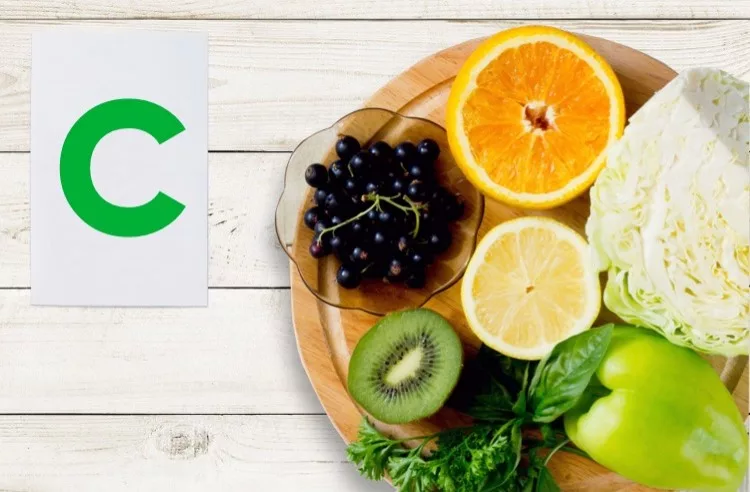
Vitamin C supports the immune system - protects against infections and viruses.It is thanks to this that a person quickly recovers.That's why vitamin C is often recommended for acute respiratory infections, colds, and in periods of spring vitamin deficiency..Ascorbic refers to water-soluble vitamins.It is responsible for the growth and repair of muscles, blood vessels, gums and teeth.Affects the condition of bones and cartilage.Helps the body absorb iron, normalizes the process of hematopoiesis.Responsible for capillary permeability.Affects the external secretory function of the pancreas and thyroid gland.Vitamin C heals wounds, cracks or cuts.It is often added to cosmetics as an effective antioxidant.It smoothes wrinkles, moisturizes the skin and protects it from the negative effects of the environment - winds, cold or ultraviolet light.Participates in the formation of collagen..

Childhood rickets is directly related to a lack of minerals and salts in the body.The vitamin is involved in the metabolism of calcium and phosphorus in the body, and is especially important for children.In infancy helps "harden" bone tissue, forms the skeleton and teeth.Responsible for cell growth and development.Vitamin D is good for the pancreas because it affects insulin secretion.Normalizes total blood glucose levels, preventing the development of diabetes.Helps the absorption of magnesium and potassium, participates in the "construction" of a protective shell around nerve fibers.That is why doctors recommend it in the treatment of leukemia, breast, ovarian, prostate, brain, and multiple sclerosis cancers..

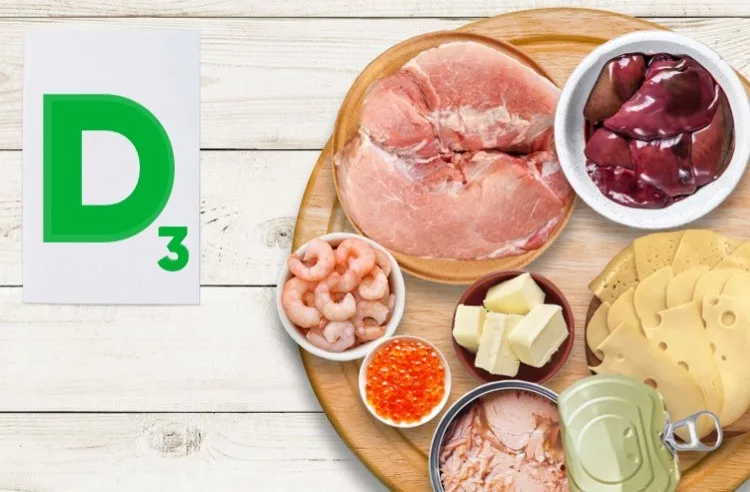
First of all, cholecalciferol is responsible for the metabolism of calcium and phosphorus in the body, and also prevents the development of rickets.Vitamin D3 helps children's bones and skeleton grow strong.Also regulates stable muscle tone, myocardial function, and affects blood clotting.Doctors often recommend it to women during menopause to prevent osteoporosis and "smooth out" hormonal imbalances.During pregnancy, vitamin D3 is responsible for the formation of the bone skeleton.It is also prescribed in the treatment of hypocalcemic tetany, osteomalacia and bone diseases, spasmophilia.Another member of the vitamin D group, ergocalciferol (D2), performs a similar function in the body.True, it is not synthesized under the influence of ultraviolet light, but enters the body with plant foods.And in addition, D2 is poorly absorbed in the body.

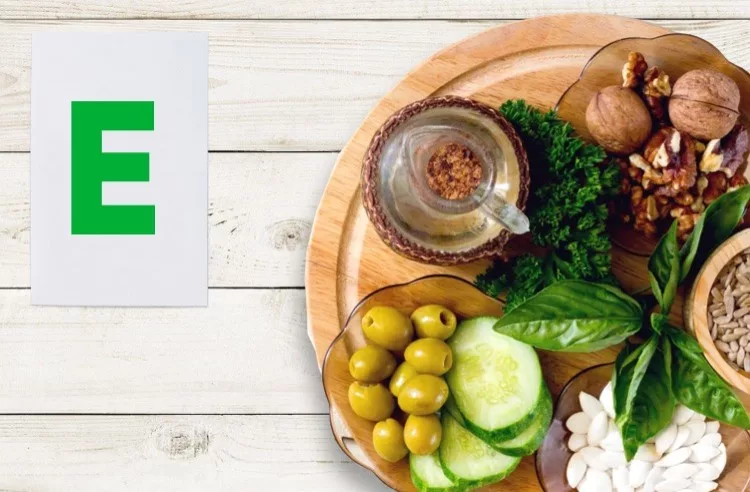
For the skin, tocopherol is a real protector.Protects it from the negative effects of the environment - heat and cold.Helps in healing scars and scars on the skin.Tocopherol synthesizes proteins, affects cellular respiration and metabolism.It strengthens the human immune system, protects it from all sorts of viruses and infections.Affects the circulatory system and its circulation.Participates in the formation of capillaries, keeps them toned.Makes blood vessels permeable and prevents the formation of cholesterol, lowers blood sugar.Vitamin E synthesizes hormones, vital to the fetus during pregnancy.Tocopherol prevents prostate cancer, Alzheimer's disease, and bladder cancer.Normal tocopherol levels in the body reduce fatigue and keep the muscle cortex toned.

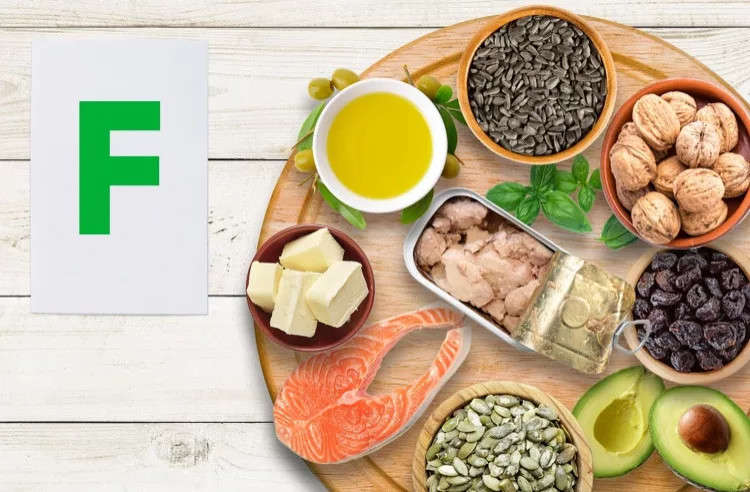
Vitamin F stimulates regeneration processes and metabolism, which is why it is also called the beauty vitamin, like biotin - vitamin H. Vitamin F fights inflammation in the body. As a result of its action, the symptoms of inflammation decrease: edema, hyperemia, pain sensations are eliminated. It prevents cholesterol deposits in the arteries, affects the activity of the endocrine glands, making calcium more available to cells, helps to reduce weight by burning saturated fats. The unique property of vitamin F is the ability to restore muscle tissue using fat deposits for this. It is known that our muscle mass constantly decreases if we move little, and fat appears instead. The most pronounced effect on fat is linoleic acid - it turns it into muscle, and for this you do not even need to exercise. Vitamin F improves the formation of hair follicles, ensures their healthy and rapid growth. It heals the scalp, protects against dryness and irritation, fights dandruff and split ends of hair.

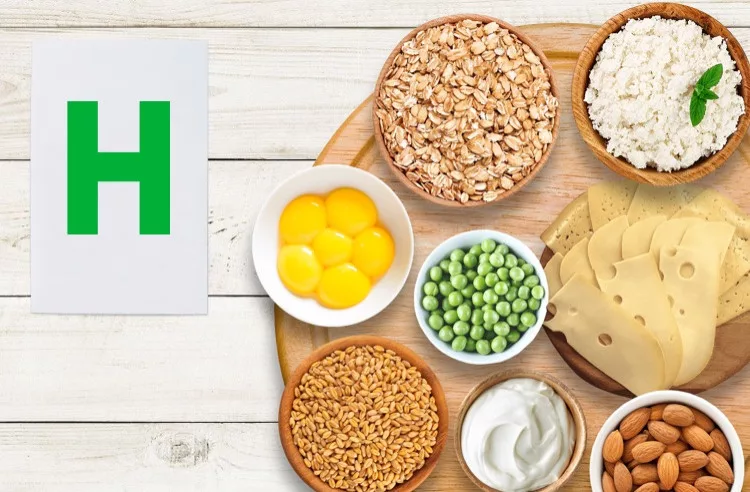
Vitamin H (Biotin) plays an important role in the process of glycogen synthesis, participates in the synthesis of hemoglobin and protein digestion, helps to maintain the immune system, beneficial intestinal microflora, and also: Participates in the transfer of carbon dioxide. Necessary for the normal functioning of the thyroid gland. Supports the functioning of the nervous system, improves the condition of the skin, hair and nails.

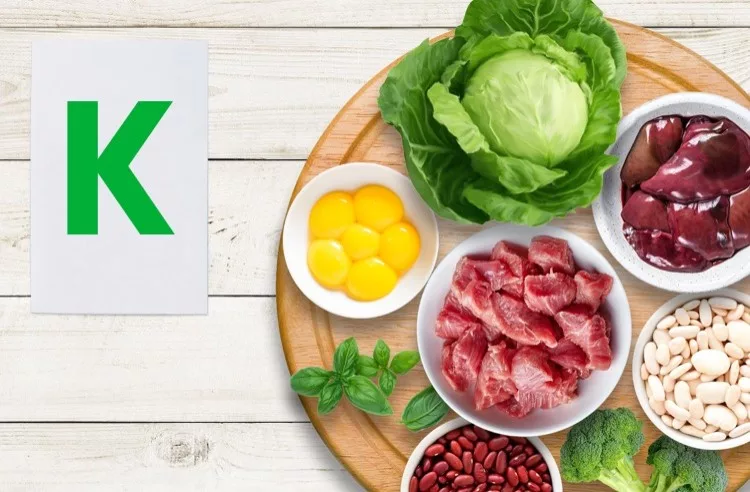
Vitamin protects the body from the development of osteoporosis.Also helps absorb calcium.If it is not enough, calcium is not retained, and naturally leaves the body with the urine.Vitamin K is also responsible for ensuring that calcium does not accumulate around blood vessels.Calcification disrupts the circulatory system as blood vessels become hard.The vitamin also synthesizes a special protein responsible for ensuring that calcium does not accumulate in the muscles of the body.It also prevents the development of liver cancer and prostate cancer.

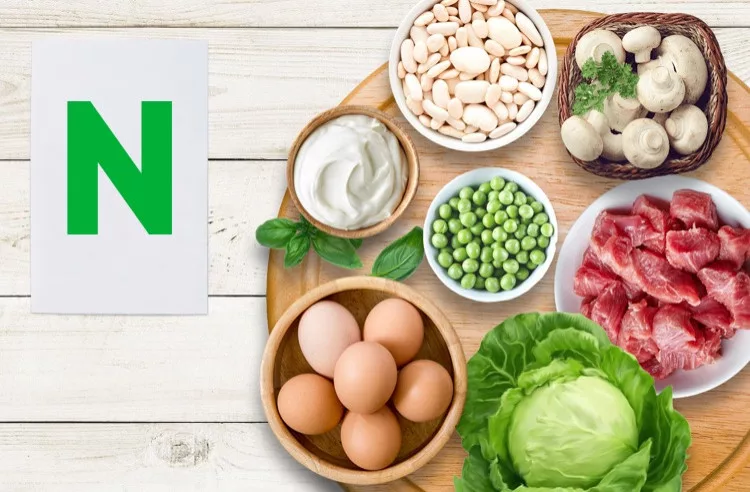
The main effect that lipoic acid has is an antioxidant, which is to protect cellular structures from the effects of free radicals. That is why lipoic acid has an anti-cancer effect, in addition, scientists note that oxidative processes, negatively affecting skin cells, cause its aging, and this vitamin helps to reduce this. In addition to the tasks described above, vitamin N also copes with a number of functions: Lowering the level of cholesterol in the blood. Improving insulin metabolism. Pain-relieving and anti-inflammatory activity. Stimulation of oxygen consumption by brain cells. Strengthening the immune and nervous systems. Removal of salts of heavy metals. Reduces blood sugar and ammonia levels. Prevents the development of atherosclerosis.

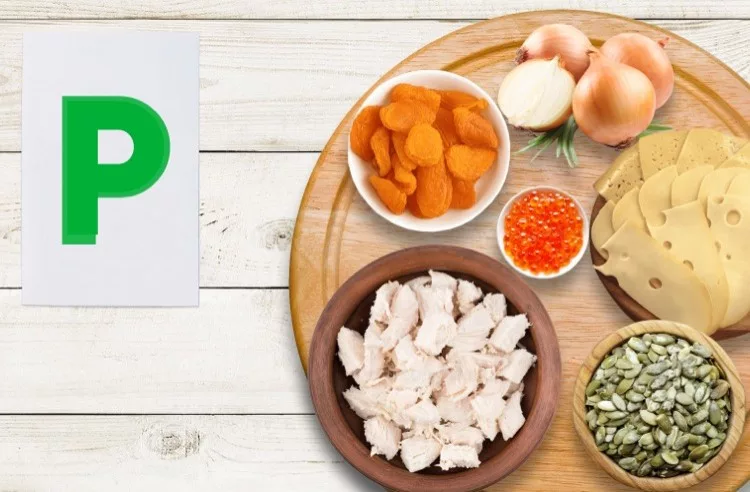
It regulates blood pressure, has anti-inflammatory and anti-tumor and choleretic properties.Prevents bruising and swelling after minor injuries.Fights allergies and ulcers, supports thyroid function.Rutin is prescribed for bleeding gums, for the treatment of dizziness and swelling due to diseases of the inner ear.For example, if you notice blood while brushing your teeth, it is recommended to take a course of vitamin P.It is also recommended for the prevention of viral and infectious diseases, as well as allergies.It is excellent against tumor cells, especially organs such as the mammary gland and blood.It also reduces intraocular pressure.

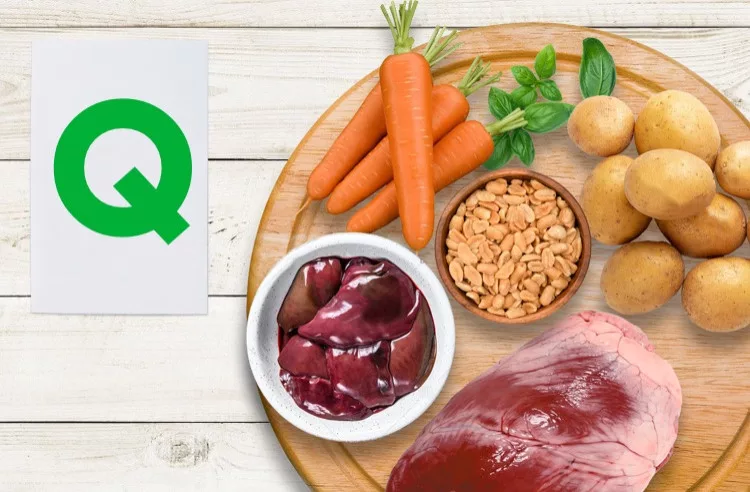
Coenzyme Q10 is central to systems that provide cellular respiration. Q10 is also an antioxidant in the lipophilic environment, i.e. it provides protection against lipid peroxidation. In our body, vitamin Q performs 2 main functions: ATP energy production activator. When Q is present in the body in the required amount, energy is produced efficiently, the body easily withstands difficulties. Strong antioxidant. It performs the function of protecting the body from damage caused by an excessive increase in active oxygen. Active oxygen is necessary for the human body because it has the function of getting rid of bacteria and viruses, but if its amount is too high, it begins to damage normal cells with its powerful effect, causing diseases and aging of the body. The amount of active oxygen increases due to stress, ultraviolet rays, smoking, overwork, etc. In addition, Q10 plays an important role in maintaining the health of blood vessels - the reduced coenzyme Q contributes to the formation of NO (nitric oxide), which is responsible for the elasticity of blood vessels.

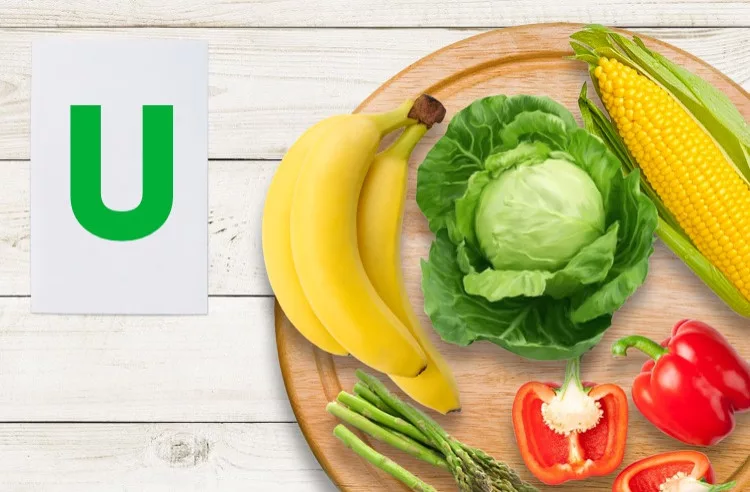
Vitamin U is important because it stimulates the healing of damage (erosion, ulcers) of the mucous membrane of the gastrointestinal tract. This is due to the ability of vitamin U to donate its methyl groups necessary for reparative recovery processes in the body. Vitamin U has an antiulcer effect, protecting the body from diseases of the stomach and duodenum. As well as an antihistamine effect, due to which it relieves the symptoms of food allergies, hay fever, bronchial asthma. Vitamin U has a lipotropic effect, like choline and methionine, protecting the liver from fatty degeneration, has an antiulcer effect on the gastrointestinal tract, and facilitates the course of allergic diseases. The human body is not able to synthesize vitamin U and gets it mainly from plant foods.

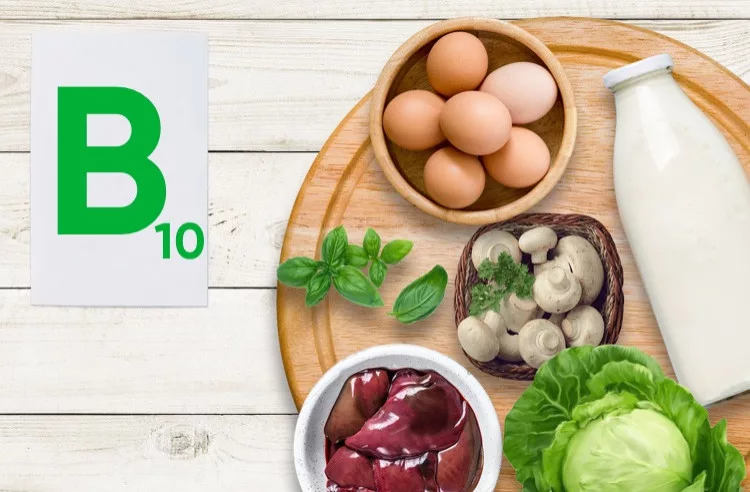
Scientists have long proven that one of the important elements for the life of any person is para-amno-benzoic acid, that is, vitamin B10. This vitamin was discovered in 1863. And its properties began to be studied only in the twentieth century. In fact, this vitamin is still not fully understood. Most often it is referred to as vitamin-like substances. This vitamin is very poorly soluble, and it is destroyed only under the influence of high temperatures. B10 is a unique vitamin that is responsible for many processes in the body: Good skin condition. Participates in the production of red blood cells (they deliver oxygen to the cells of the body). Normalizes bowel function. Vitamin B10 is an excellent antioxidant that protects the skin from harmful UV rays. Indeed, under the influence of harmful ultraviolet rays, this vitamin is involved in photochemical transformations. During these photochemical transformations, a synthesis of a substance occurs, as a result of which a pigment, melanin, is formed. And melanin, in turn, provides a good tan. Vitamin B10 is an essential ingredient in a variety of sunscreens. This vitamin also fights herpes well, can provide excellent resistance to adenoviruses. Also, this vitamin is actively used to treat eye diseases that cause these particular viruses. B10 is one of the newest means to combat heart attack and stroke. It is introduced into the body by injection. This vitamin can also prevent blood clots in the body. A person whose body contains a normal amount of vitamin B10 produces a normal amount of interferon. This vitamin is actively used to treat vitiligo, in which uneven coloring of the skin occurs due to the lack of pigment.